Sore or swollen gums is another oral health complication that is likely to be experienced at all ages. Even though occasional mild irritation of the gums may occur, the swelling, tenderness, and /or redness can be continuous, which is a sign of an issue with the teeth that requires a resolution. Gums are very essential in the support of teeth and the protection of the underlying bone structures. Gum disease can interfere with the daily routine activities of eating, brushing, and speaking and expose an individual to greater risks of oral health complications.
The knowledge of the causes of sore or swollen gums will make people understand the symptoms of the early indication and will seek the required treatment before the disease may develop.
Periodontal Disease: Gum Inflammation, Its Cause, and Remedy.
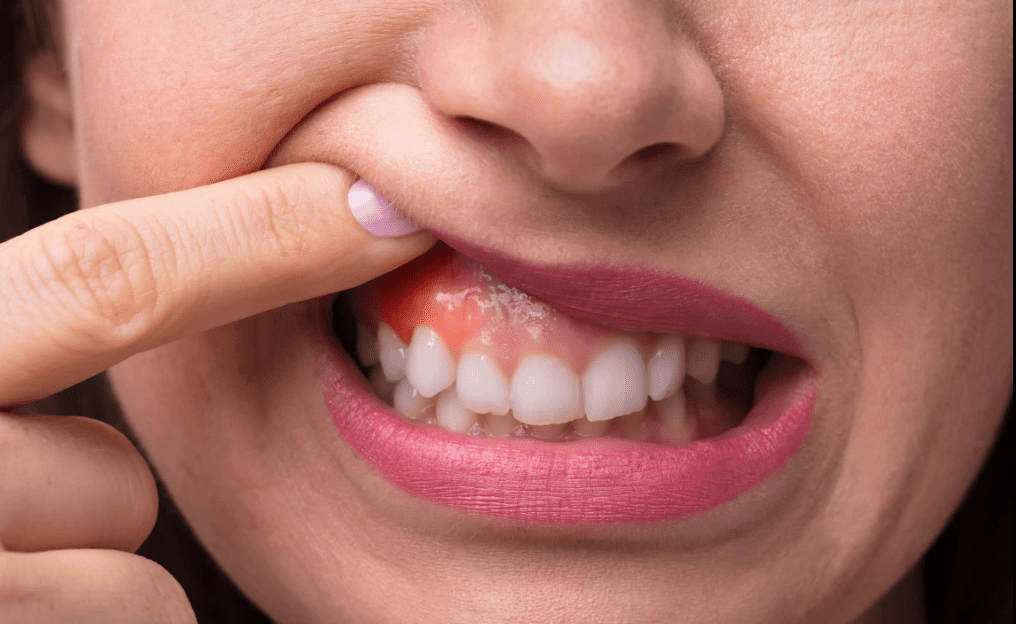
Gingivitis or periodontitis is the medical disease when the soft tissues that surround teeth are inflamed in response to bacterial buildup, irritation or infection. Gums are normally swollen, tender, reddish and highly susceptible to bleeding either at the time of brushing or flossing.In the majority of cases, the natural response of the body is swelling as it is the reaction to dangerous bacteria or irritation.
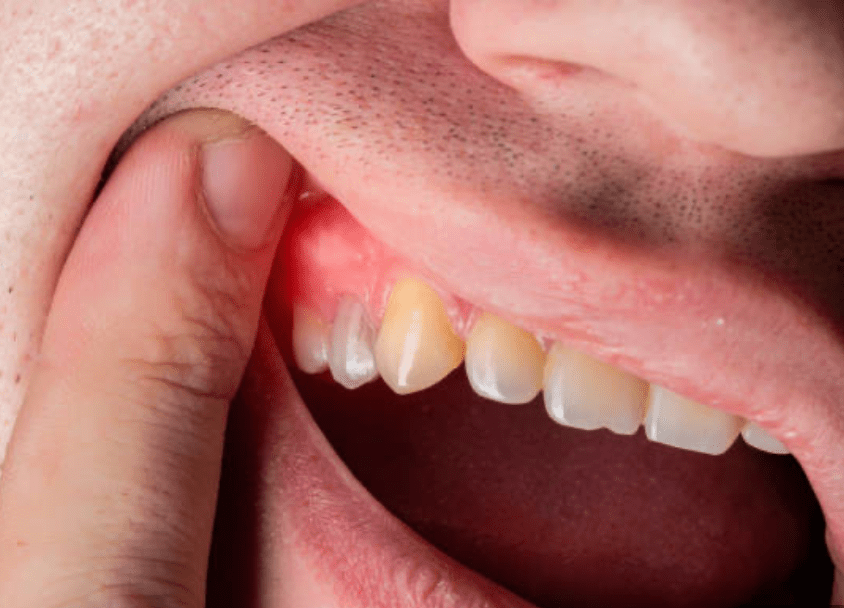
But in case of prolonged inflammation this can signify that there is a more serious problem with the gums and the tissues around the teeth that are supporting them.
Major Reasons of Swollen or Sore Gums.
- The Accumulation of plaque and Gingivitis.
Gingivitis is the first phase of the gum disease, and it is one of the most frequent reasons of swollen gums. Gingivitis occurs in case of accumulation of a sticky film of bacteria known as plaque along the gumline.
Plaque which is not removed by brushing and flossing may aggravate the gum as well as cause inflammation. Redness, swelling and bleeding in brushing are also the early symptoms of gingivitis.
The positive side of gingivitis is that it can be usually reversible provided that it is taken care of early in life by way of better oral hygiene and dental cleaning by the professional.
- Periodontal Disease
When the gingivitis is not treated, it may develop into periodontal disease, which is a more serious form of infection involving the tissues and bone which support the teeth. At this point, bacteria cause peri-gum disease extending under the gumline causing more severe inflammation and damage.
They can be characterized by swollen gums, gum recession, bad breath and in extreme cases by loose teeth. Periodontal disease is the major cause of loss of tooth in adults and it is a disease that can be treated by professional dentists in order to control the infection.
- Poor Oral Hygiene
Unregulated brushing and flossing permit the plaque and food to stay in the mouth over a long period. With time, the plaque is hardened into tartar, which can only be eliminated by professional cleaning of the teeth.
The existence of plaque and tartar provides a habitat where bacteria multiply resulting in irritation, swelling, and pain of the gums.
- Brushing Aggressively or not Cleaning Oral Cavity.
Although good oral hygiene is crucial it is possible to brush too harshly or even with a hard-bristled toothbrush, which might irritate sensitive gum tissues. Constant headaches and gum soreness, inflammation, and gum recession may be the results of repeated trauma of gums.
On the same note, the flossing method used can harm the gums and lead to localized swelling.
- Hormonal Changes
The changes in hormones may enhance the sensitivity and inflammations of the gums. The gums during pregnancy, puberty, menstruation or menopause may also change making the gums more responsive to plaque accumulation.
As an illustration, pregnancy gingivitis is a condition where hormonal changes increase the blood flow to the gums such that they become more susceptible to swelling and bleeding.
- Nutritional Deficiencies
Deficiency of the necessary nutrients may influence the state of the gums. Vitamin C, specifically, is important in the maintenance of healthy connective tissues, as well as in the maintenance of the immune system.
The lack of vitamin C can result in inflammation of the gums, hemorrhage and slowing of the healing of oral tissues.
- Irritation and Allergic reactions of foods.
Some foods particularly sharp, acidic and spicy are likely to temporarily irritate the gums. The gum inflammation may also be caused by any type of allergic reaction to particular foods, oral care products, or dental materials.
In these instances, swelling is more likely to be only temporary and disappears as soon as the irritant is taken away.
- Oral Infections
Swollen and painful gums may also be caused by bacterial, viral or fungal infections. Local swelling and tenderness may be the consequence of such issues as oral ulcers, abscesses, or funguses.
Dental infections are typically the diseases that are to be examined immediately by the professional to avoid the spread of bacteria to neighboring tissues.
Swollen Gums Symptoms that could accompany them.
All of these are symptoms that are normally followed by sore or swollen gums that signify other underlying health problems of the mouth. These may include:
- Flossing or brushing causes blood to keep on bleeding.
- Persistent bad breath
- Tenderness or sensitivity of gums.
- Red or darkened gum tissue
- Recession of the gamble, which makes the teeth look longer than normal.
- Pain while chewing
- In severe infections, pus or discharge around the gumline.
Early identification of such symptoms would enable the persons to pursue early treatment and avoid more severe complications.
The solution to Swollen Gums.
The treatment is based on the determination of the cause of gum inflammation. In most instances, problems with the gums at an early stage can be addressed successfully through professional services as well as better oral hygiene habits.
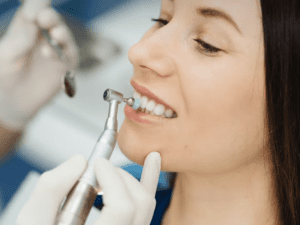
- Professional cleaning of the teeth: Scaling and polishing processes help to clear the plaque and tartar on the teeth and gumline, eliminating bacteria accumulation.
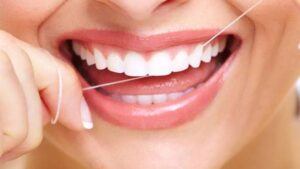
- The enhanced oral hygiene: Regular fluoride toothpaste Brushing twice a day and regular flossing are useful in avoiding plaque build up.
- Antibacterial mouth rinses: Antimicrobial mouthwashes could be prescribed by dentists to manage the growth of bacteria and diminish inflammation.
- Treatment of infections: Depending on the cause of swelling, e.g. dental infection, relevant medications or procedures can be necessary.
- Nutritional improvements: Improving the consumption of vitamins and minerals helps in keeping the gums healthy and the immune system working properly.
Preventing periodontal inflammation.
To keep the gums healthy, it is important to undergo regular preventive care and pay attention to the routine oral hygiene routines. The strategies that are effective are:
- Spraying teeth with a light brush twice a day with soft bristled brush.
- Breathing in between teeth to cleanse the food between them.
- The prevention of tobacco products that worsen the chances of having gum disease.
- Eating a balanced diet that is high in vitamins and minerals.
- Having periodic check-ups and professional cleaning of the teeth.
The best method of keeping the gums healthy and avoiding the dental problems that occur in the long run is through preventive care.
Conclusion
The existence of swollen or sore gums is also one of the symptoms that may be observed very early in case of oral health problems, beginning with the formation of the plaque and gingivitis and concluding with a periodontal disease that is far more serious. Although mild gum irritation may be occasionally encountered, the continued swelling, tenderness or bleeding cannot be ignored.
Prevention of the devastation of the gums and the supporting structures of the teeth requires early diagnosis and proper treatment. Through the adherence of proper oral hygiene habits and visiting the dentist whenever you feel any complications, individuals can preserve their gum conditions and their overall health of the mouth. The Dental Venue is focused on preventive care and early intervention to address the gum health concern and enable patients to retain the healthy and comfortable smiles over the next few years.