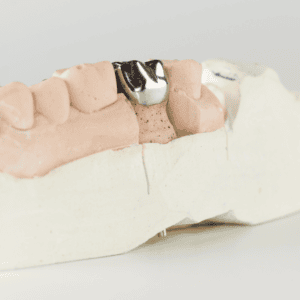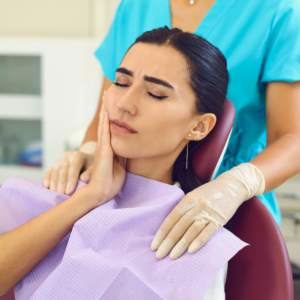
Bruxism or teeth grinding is a widespread disorder, which is prevalent among adults and children. Grinding or clenching of teeth is common among many people particularly when they are stressed. Nonetheless, in case the practice is regular and intensive, it may start to ruin the teeth, overload the jaw, and influence the general condition of the oral health.
It is a problem with bruxism that it can take place subconsciously. There are those who can even grind their teeth in the daytime without even noticing it and there are also those who grind their teeth in the night when they are asleep. The condition may require several months and even years before one can detect it hence one should be aware of its causes, symptoms, and treatment options.
The discomfort can be permanently destroyed and removed by the chronic teeth grinding when it is detected early and handled.
What Is Bruxism?
Lisa Bruxism is the recurrent grinding, clenching or tightening of teeth and jaw muscles.
Bruxism is of two types:
- Daytime bruxism Awake bruxism.
- A sleeping disorder.
Awake bruxers squeeze their jaw when they are concentrating, stressful and anxious. Sleep bruxism is frequently more difficult to diagnose as it is seen unconsciously.
In the majority of cases, a person may be not aware of the fact that he or she grinds his or her teeth until one of his relatives overhears the sound at one point he or she sleeps or a dentist notices some wear.
Typical Causes of Grinding of Teeth.
Bruxism does not have a single cause. Rather, it is most commonly associated with a complex of physical, emotional and lifestyle determinants.
Stress and Anxiety
Among the most frequent reasons of teeth grinding, one can distinguish stress.
When individuals become anxious, overwhelmed, frustrated, or under pressure they can unconsciously clench their jaw or grind their teeth. This mainly happens when one is asleep.
Bruxism may be more likely in times of emotional stress, professional pressure, or sleep deprivation or during significant changes in life.
Sleep Disorders
There are several sleep disorders that are usually related to teeth grinding and they include:
- Sleep apnea
- Snoring
- Restless sleep
Individuals with broken or low quality sleep are likely to have sleep bruxism.
Bite Problems or Crooked Teeth.
In other instances, the grinding of the teeth can be attributed to the arrangement of the upper and lower teeth.
In case of uneven bite or misalignment of teeth the jaw can shift in an unnatural manner resulting in clenching or grinding.
Lifestyle Factors
Some habits and substances can put one at risk of bruxism. These include:
- Excessive caffeine
- Alcohol
- Smoking
- Recreational drugs
- Certain medications
Certain antidepressants and other drugs have been associated with the increase in teeth grinding among some individuals.
Personality and Everyday Habits.
Individuals that are highly motivated, competitive or nervously tensed are likely to develop bruxism.
Habits like chewing pens, biting nails or clenching the jaw may also be contributory in the day.
Symptoms of Bruxism.
The teeth grinding symptoms may be mild or severe. Due to the fact that a lot of people grind their teeth at night, they might feel the impact in the morning.
The following are some of the most frequent symptoms:
- Tightness or pain on the jaw.
- Headaches, which are mostly morning.
- Tooth sensitivity
- Flattened and worn out teeth or chipped teeth.
- Earache-like discomfort
- Pawing or clicking my jaw.
- Pain while chewing
- Disturbed sleep
The grinding noise can be loud in some instances to the point of disturbing a partner or a family member.
In the long run, bruxism without treatment may cause more severe symptoms, such as fractured teeth, broken dental treatment, and issues with the jaw joint.
The impact of Bruxism on the Teeth and the Jaw.
The constant grinding of teeth exerts a lot of pressure on the muscles of the jaw and the teeth.
The power that is produced during the grinding process can be extremely greater than ordinary chewing. Consequently, the teeth will wear out.
This can lead to:
- Flattened or shortened teeth.
- Cracks or fractures
- Breakage of fillings, crowns or veneers.
- Increased tooth sensitivity
- Increased chances of decay and infection.
The temporomandibular joint, which is commonly referred to as the TMJ can also be affected by bruxism. It is the joint which attaches the jaw and the skull.
Excessive working of the jaw muscles may cause the TMJ problems including:
- Jaw stiffness
- Clicking sounds
- Limited jaw movement
- Facial pain
When unaddressed, these problems can deteriorate with the passage of time and become harder to handle.
How Bruxism Is Diagnosed
Bruxism can be easily detected by a dentist when he or she examines a patient on a regular check-up.
Some of the common signs, which may indicate teeth grinding, include:
- Wearing down the teeth.
- Destruction of restorations on the teeth.
- Tender jaw muscles
- Enlarged jaw muscles
- Fissures in the enamel.
The dentist might also inquire about the presence of such symptoms as headaches, pain in the jaw, the quality of the sleep, or whether someone has heard any grinding sounds in the sleep.
Further assessment can be advised in certain instances in case of an apprehension of sleep apnea or another sleeping disorder.
Therapeutic interventions for bruxism.
- The best intervention is determined by the etiology of the problem and the level of its progression.
Night Guards
- One of the most prevalent interventions on sleep bruxism is a custom night guard.
- It is a protective device that is put over the teeth when sleeping. It does not prevent the grinding itself, but it avoids the harm to the teeth and puts less pressure on the jaw.
- Night guards that are designed are more comfortable and effective as compared to the ones that are over the counter.
Stress Management
- Assuming that stress or anxiety is a contributing factor to bruxism, these factors can be addressed.
- The strategies that can be helpful include:
- Regular exercise
- Relaxation techniques
- Meditation
- Deep breathing exercises
- Better sleep habits
To others, it could help speak to a counselor or mental health professional.
Correcting Bite Problems
In case the cause of bruxism is uneven bite or misaligned teeth, dental treatment can be suggested.
This could include:
- Orthodontic treatment
- Reshaping certain teeth
- Restoration of broken dentures.
Sometimes the grinding can be reduced by enhancing the adjustment of the teeth and the jaw functionality can be improved.
Lifestyle Changes
- Nighttime grinding could be decreased by reducing caffeine and alcohol, particularly at night.
- Maybe it is also helpful to avoid chewing gum and be more conscious of jaw clenching during the day.
- It is also useful to some people to consciously relax the jaw during the day, and maintain the teeth slightly open when not eating.
Severe Cases Treatment.
More treatment can be required in severe cases.
This may include:
- Muscle relaxants
- Sleep apnea treatment.
- TMJ disorders Management.
- The restoration of broken teeth by crowns or other restorations.
This is not only to safeguard the teeth, but also to cure the origin of the grinding.
Final Thoughts
Teeth grinding is not given much attention since they may occur unconsciously and without sound. Nevertheless, persistent bruxism may cause severe harm to the teeth, the jaw, and the muscles that surround the jaw when left untreated.
Such symptoms like headaches in the morning, pains in the jaw, decayed teeth, or teeth sensitivity must be mentioned. Bruxism can be easier to prevent the longer it is diagnosed.
Grinding can be decreased with the help of the right mix of protective devices, lifestyle modifications, and professional assistance and help to preserve your oral health.
At The Dental Venue, we assist the patients to determine the cause of teeth grinding and offer them the best treatment options that can help them soothe the symptoms, safeguard the teeth, and revert to normal jaw functioning.