A normal tooth is meant to last several years of chewing, biting and day-to-day wear. Nevertheless, the teeth may weaken with the course of time as a result of decay, injuries, massive fillings, grinding, or dental surgeries. A dental crown can be recommended when the tooth is already too weak to perform its functioning independently.
Crowns of teeth are considered to be one of the most widespread and efficient treatments of restoration in modern dentistry. They are applied to defend broken teeth, reappear, and enhance their strength and functionality. Despite the fact that most individuals have heard about dental crowns, most of them do not know when they require dental crowns and the nature of the treatment.
Knowing the functions of dental crowns and in which cases they are prescribed can make you make better decisions concerning your oral health.
What Is a Dental Crown?
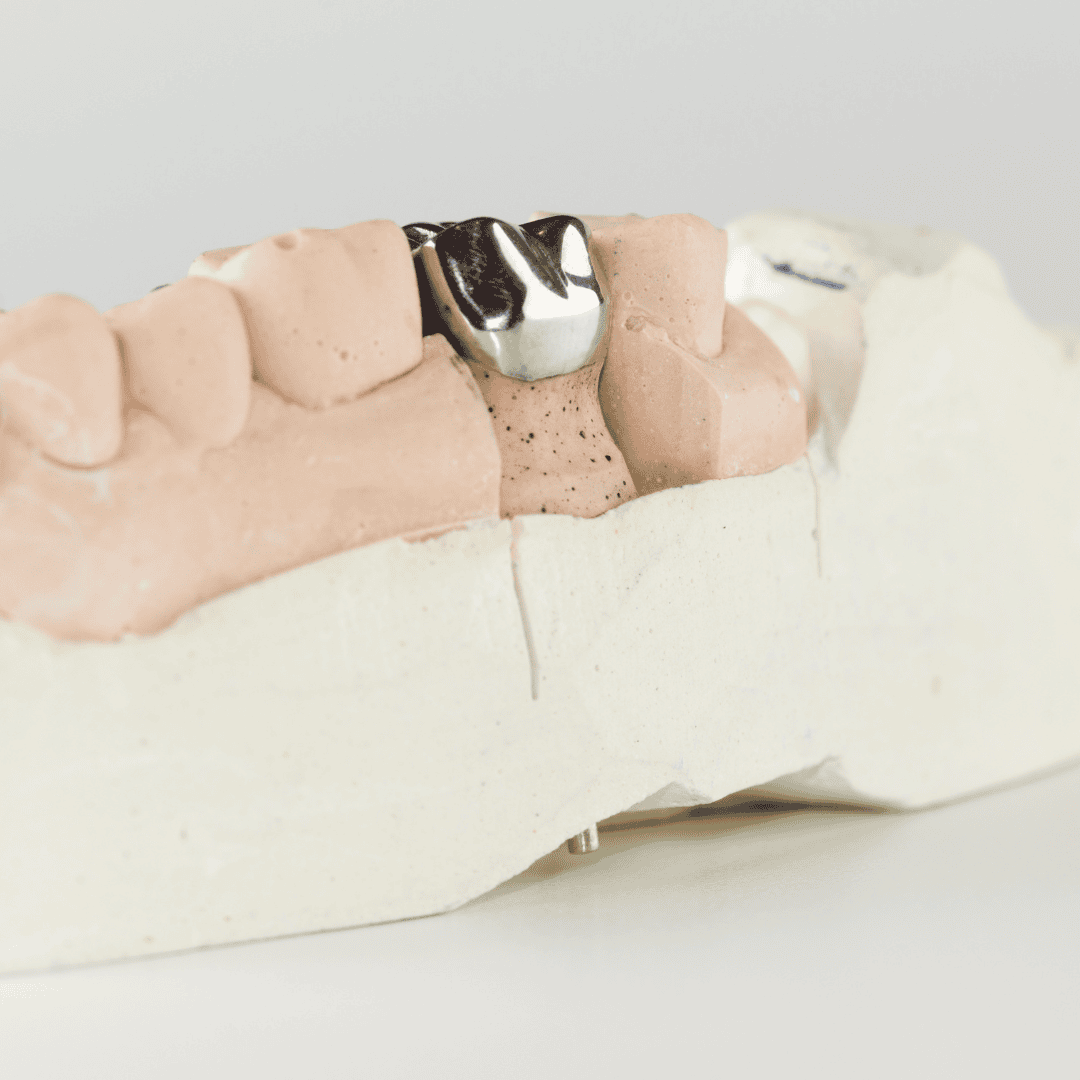
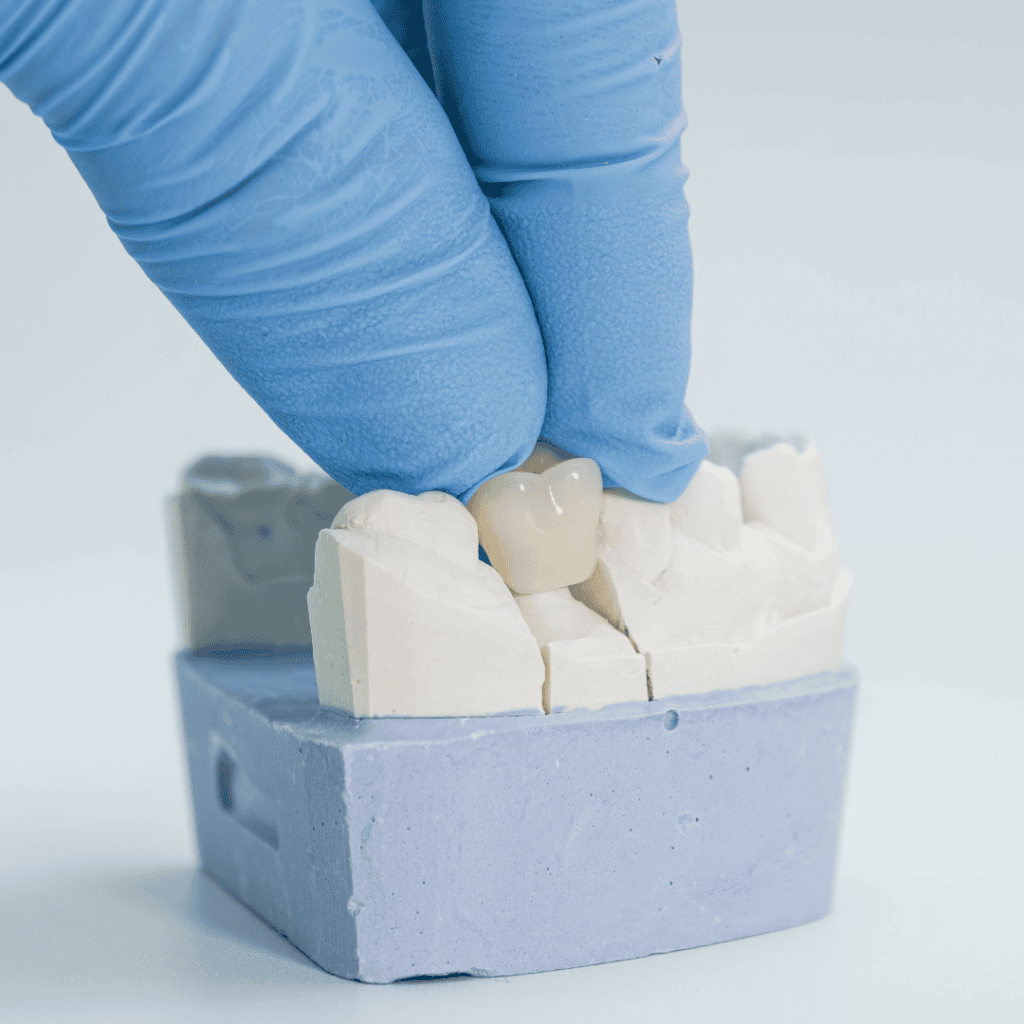
A dental crown is a personalized cover that is required to be over a damaged or weakened tooth. It entirely envelops the exposed part of the tooth that is above the gum line.
A crown is intended to provide the shape, size, strength and appearance of the tooth. After being in place, the crown will act just like a natural tooth as you will be able to chew, talk, and smile normally.
Some of the materials that can be used to make crowns include:
- Porcelain
- Ceramic
- Metal alloys
- Fused to metal porcelains.
- Zirconia
The most appropriate material used will be determined by the position of the tooth, the level of strength needed and the look wanted.
Indications of Dental Crown?
Dental crowns are not the initial choice of treatment. In most instances, minor problems can be treated using a filling or some other less invasive process. Nevertheless, in case a tooth is too weak or impaired, a crown can be one of the most effective methods of saving it.
The following are some of the most typical cases when dental crowns can be prescribed.
To save a poor or broken tooth.
- The cracks form on teeth due to a variety of reasons such as injury, biting hard foodstuff, grinding, or even just old age.
- A tooth that is cracked does not necessarily cause pain at all, but can deteriorate with time. The crack can be extended more into the tooth without protection and it might end up making the tooth unable to be rescued.
- A dental crown assists in holding the tooth together and avoids the additional damage. It coats all of the tooth, thereby minimizing the stress exerted to the weakened structure in the process of chewing.
The crowns are also applied when a tooth has been weakened by severe decay or even after a huge filling has been made.
Root Canal Treatment Post-Treatment.
A root canal tooth has a tendency to become weaker than it was initially.
When performing a root canal, the damaged tissue within the tooth is eliminated. Even though this may save the tooth, it may leave the remaining structure weaker and prone to cracking.
This is why dentists often prescribe a crown to be placed over the treated tooth, particularly when it is a back tooth and it is a chewing one.
The crown cushions the tooth and also makes it fully functional, thus it is able to last many years.
To Mend a lost or decayed Tooth.
Grinding of teeth, clenching, or old age may lead to the erosion of teeth. There are instances whereby a tooth can be broken due to accident or injury.
A filling might not be sufficiently supportive in case a significant part of the tooth is lost. A tooth can be restored by means of a crown which will restore its original shape.
This is particularly essential to teeth that are required to bite and chew. An adequately adjusted crown could help the comfort and functionality.
When it needs to Replace a Large Filling.
In case of a tooth with a very large filling, there can be no sufficient healthy tooth structure available to support it.
In the long run, big fillings may undermine the tooth that surrounds them and may easily fracture it. In case the filling starts to fail, the tooth might require further treatment.
- In such cases, a crown could be a better solution as it is more powerful and lasts longer.
- The remaining tooth structure is enclosed by a crown which serves to prevent future destruction.
- In order to make a tooth look better.
Dental crowns are not applicable to damaged teeth only. In other instances, they can also be prescribed due to cosmetic need.
A crown has the capacity to enhance the look of a tooth that is:
- Severely discolored
- Misshapen
- Uneven
- Worn down
- Poorly formed
As the modern crowns can be made to match the color and shape of natural teeth closely they are frequently given a very natural look.
Porcelain crowns or ceramic crowns are normally the materials of choice in the case of front teeth as they match the rest of the teeth better.
To Complete a Dental Implant Restoration
A dental implant is a replacement of the root of a missing tooth, but the implant does not resemble a tooth.
In order to finish the restoration, a crown is fixed on the implant. This is the visible replacement tooth which is the crown.
The end product is a replacement which appears and acts like a natural tooth.
What Do You Think Are the Indications That You Require a Crown?
It is not always that you can know when you need a crown. Nevertheless, there are a few symptoms that can tell you that you need more than a filling to support your tooth.
These signs include:
- Pain when chewing
- A fractured or broken tooth.
- A tooth that had a very big filling.
- Significant tooth wear
- Aches in a sensitive tooth.
- A tooth that has undergone root canal therapy.
- Continuous tooth issues with the same tooth.
These signs should not be disregarded. The same broken tooth can further get worse and at the end more comprehensive treatment or even loss of the tooth.
The Process of the Crown Procedure?
The procedure of having a dental crown typically takes two sessions.
In the initial visit, the dentist inspects the tooth and cleans it by scraping it off or by extracting any untidy section or cavities. This is followed by reshaping of the tooth in order to help the crown fit.
A scan or impression is carried out and forwarded to a dental lab where the personalized crown is produced. Meanwhile, a temporary crown can be fitted.
At the second appointment, the permanent crown is fitted, adjusted, and securely bonded to the tooth.
In some clinics, same-day crowns may also be available using advanced digital technology.
How Long Do Dental Crowns Last?
A dental crown has the capacity to endure a long time with proper maintenance. Crowns generally have a life span of 10-15 years but most of them live even longer.
In order to add life to a crown it is essential to:
- Floss and brush up.
- Avoid biting hard objects
- Wear an orthodontic to prevent grinding your teeth.
- Go to the dentist to check-up.
The crown is not decayable, however, the tooth beneath it should be taken care of.
Final Thoughts
Dental crowns are very useful in the restoration and protection of damaged teeth. A crown can be used to preserve an already weakened tooth by decay, to replace a tooth that has been broken in an accident, or to treat a root canal, in order to avoid further complications.
A broken tooth can also cause a more complicated treatment in the future when one ignores it. An early visit to the doctor can often result in the salvage of the tooth and its replacement with a simple and effective measure.
We do not subscribe to the idea of extraction of your natural teeth; we believe that this should be preserved whenever possible at Dental Venue. We are offering well-thought out crown treatments that will help to regain the strength, comfort, and self-confidence and to look natural as well.