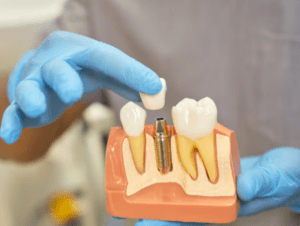
The problem of tooth sensitivity is among the most common examples of dental problems that are typically seen in clinical facilities, but the level of its impact on the life of the patient can be rather surprising. It is only necessary to drink cold water or swallow a spoonful of ice cream or even breathe deeply of cold air to experience an acute and sudden pain so much that the patients are compelled to cease dining. The pain, typically attributed to daily causes and typically manageable, must never be regarded as normal when persistent, progressively increasing or taking place unaccountably.
At The Dental Venue, we often encounter people that have been managing their sensitivity so long (weeks or even months) that they believe that it would simply fade away. Tooth sensitivity, in its turn, is not an illness, but a symptom. The key issue here is to find out what is causing the nerve to behave and to what extent the cause is mild and can be reversed or it is symptomatic of a serious dental problem that must be addressed as soon as possible.

What Tooth Sensitivity Really Means (In Simple Terms)
Your teeth are created to deal with temperature and pressure. The outermost layer is the enamel and it is the hardest part in the human body. Dentin is located under the enamel and is porous and is filled with microscopic tubes called dentinal tubules.These tubules are attached to the inner section of the tooth the pulp where there are nerves and blood vessels.
As enamel gets thin, damaged or the gums recede and expose the root surface, stimuli such as cold, heat, sweet food or touch can pass through such tubules and cause irritation to the nerve. It is that annoyance that you experience when what is felt is sensitivity which is usually characterized by a sharp and fast pain that is soon removed once the trigger is out of the way.
Frequent Triggers: What most commonly Triggers Sensitivity?
Sensitivity of teeth has tendency to be regular. Patients complain of pain when:
- Consumption of cold water or drinks.
- Consumption of hot food or tea/coffee.
- Eating sweet or acidic food.
- Brushing certain areas
- Breathing in cold air
- Biting down on one side
The nature of the trigger is a very helpful tool in the diagnosis. For example, if something is too coldthe sensation usually points towards the exposed dentin, whereas a pain on biting can be inflicted by tooth cracks, filling problems or inflammation of the root.
Why Tooth Sensitivity Happens: The Most Frequent Causes
1) Enamel Wear from Aggressive Brushing
Enamel at the gumline can be slowly worn off by brushing hard or with a hard-bristled toothbrush or by scrubbing in a horizontal direction. This field is naturally slimmer and once the dentin gets exposed, sensitivity may set in.
What to be aware of: soreness around the gum and on the outer sides of the premolars and canines.
2) Gum Recession (Exposed Roots)
In the recession of gums, the root surface becomes exposed. The root of enamel, in contrast to that of cementum, is covered by cementum that is far soft and easily worn out. Exposure to root dentin may produce significant sensitivity.
Common reasons gums recede:
- Long-term brushing trauma
- Periodontal (gum) disease
- Thin gum biotype (genetic)
- Teeth grinding (bruxism)
3) Tooth Decay (Cavities)
A hole will enable temperature or sweetness to irritate the tooth, easily. Early decay need not be accompanied by persistent pain but may be accompanied by intermittent sensitivity particularly with sweets or cold.
Notes: insensitivity growing gradually with time must never be ignored.
4) Crack Tooth or Hairline Fractures.
The cracks can be minute and can not be realized without specific observation. The sensitivity of a crack is produced by a fine crack, which can lead to pressure and temperature change reaching deeper layers.
Common symptom: pain on biting and in particular on release of bite.
5) Fillings or Restorations Worn Out or Leaking.
Cold fillings may become worn, have holes or leak. This provides a route through which it can be stimulated to the dentin and pulp.
Hint: the discomfort is localized in the tooth having an old restoration, particularly when food lodges within the restoration.
6) Teeth Grinding (Bruxism)
Grinding creates micro-wear, enamel fractures, and stress on the tooth structure. Over time, it can expose dentin and inflame the ligament supporting the tooth.
Signs you may grind:
- Morning jaw tightness
- Flattened chewing surfaces
- Headaches near temples
- Sensitivity without obvious decay
7) Recent Dental Procedures
Experiencing some tooth or gum sensitivity following dental procedures such as scaling,fillings, crowns, whitening, or orthodontic adjustments is a normal occurrence. Your mouth needs time to recover.
When to be Concerned:
- If the sensitivity worsens.
- If you begin feeling sensitivity without any apparent cause.
When It’s Normal:
- If the sensitivity diminishes gradually over the course of 1 to 3 weeks.
8) Acid Erosion (Diet or Gastric Causes)
Under normal circumstances, the surface of the teeth is attacked by the acids and they become hardened after some time. In that way, enamel becomes extremely susceptible. This may be through diet (soft drinks, citrus, foods that contain vinegar) or a health condition such as gastroesophageal reflux disease.
Etiquette: As well as sensitivity, the enamel surfaces appear highly smooth and shiny or the teeth edges become extremely thin.
9) Whitening Products and Overuse
Whitening contains peroxide molecules which pass through the enamel and remove the pigments within. Afterwards, the teeth can be sensitive for a short period.
Right way: Whitening should be carried out under the doctor’s close supervision, especially for those patients who are already sensitive.
When Tooth Sensitivity Is a Warning Sign (Do Not Ignore These)
Sensitivity is not always harmless. It becomes concerning when it indicates nerve involvement or deeper structural damage.
Sensitivity may be a warning sign if:
- The pain lasts longer than 10 to 15 seconds after the trigger
- You feel pain without any trigger (spontaneous pain)
- Sensitivity is worsening week by week
- There is pain on biting or chewing
- One tooth feels “different” or unusually tender
- You may feel swelling, a pimple-like bump on the gum, or taste something unpleasant
- The tooth gets darker or you can feel it is loose
Any of these symptoms may indicate pulpitis (nerve inflammation), very deep decay, infection, or a fracture which goes down to the root.
Sensitivity vs. Toothache: Understanding the Difference
A quick way to understand severity is by how the pain behaves:
Typical sensitivity:
- Sharp, short pain
- Triggered by cold/sweet/touch
- Stops soon after the trigger is removed
Possible nerve inflammation/infection:
- Throbbing or lingering pain
- Pain that wakes you up
- Sensitivity to heat that lasts
- Pain that radiates to jaw/ear
- Tenderness when biting
If you are unsure, do not self-diagnose. A clinical exam and X-ray can confirm what is happening under the surface.
How Dentists Diagnose the Cause
Proper treatment of sensitivity starts with determining its cause. An in-depth assessment might consist of:
- Visual inspection for cavities, cracks, worn enamel
- Gum assessment for recession and inflammation
- Bite evaluation (high points, grinding signs)
- Cold test to check nerve response
- Percussion test (tapping the tooth)
- Dental X-rays to detect decay or infection
- Checking old fillings/crowns for leakage
This is why sensitivity toothpaste alone is not always the answer. It can reduce symptoms, but it does not treat decay, cracks, or gum disease.
Treatment Options: What Actually Works
Treatment depends on the cause, and in many cases, sensitivity can be significantly reduced or eliminated.
1) Desensitizing Toothpaste
These toothpastes reduce nerve response over time. They work best when used consistently for 2 to 4 weeks.
Tip: apply a small amount to the sensitive area at night and avoid rinsing aggressively.
2) Fluoride Applications
One of the professional methods is applying fluoride varnish that not only makes the enamel stronger but also can desensitize the teeth. It is very beneficial after deep cleaning or for patients who already have some enamel wear.
3) Bonding or Protective Coatings
It may be a good idea to put a tooth-colored composite which will protect the exposed root area from sensitivity if there is exposed root dentin around the gum line.
4) Treating Cavities or Replacing Old Fillings
New restorations are the real solutions, not just symptom control, if the problem is caused by decay or restoration leakage.
5) Gum Treatment for Recession or Periodontal Disease
In case of gum disease, identifying and treating the inflammation is the first step. Attempts to make the disease remission can later be achieved by stabilizing the gum health and in some cases, a gum graft may be necessary.
6) Night Guard for Grinding
A protective mouthguard or night guard made of a hard material worn during sleep can help to protect tooth enamel, reduce grinding or clenching of teeth and prevent tooth sensitivity.
7) Root Canal Treatment (Only When Necessary)
When the nerve is so inflamed that it cannot be healed or when it is infected, a root canal treatment is the only way to eliminate the pain and keep the tooth.
Sometimes it is not the first thing you do but the right thing.
What You Can Do at Home (Safely)
To reduce sensitivity and prevent it from worsening:
- Choose a toothbrush with soft bristles
- Make gentle brushing with small circular motions
- Don’t brush right after acidic foods (wait for 30 minutes)
- Limit the habit of snacking often on citrus, soda, and sweets
- Use a sensitivity toothpaste consistently
- Avoid at-home whitening if you already have sensitivity
- If you suspect grinding, do not ignore jaw tightness
- Do not delay dental visits if symptoms persist
A common mistake is switching products repeatedly. Sensitivity requires consistent care and correct diagnosis.
When to See a Dentist Immediately
Seek professional evaluation if:
- Sensitivity is severe or sudden
- You have pain on biting
- You notice swelling or gum boils
- Pain is waking you at night
- One tooth feels persistently different from the others
- Over-the-counter measures are not helping after 2–3 weeks
Early intervention prevents minor enamel problems from turning into major restorative treatments.
Final Thoughts
Sensitivity in the tooth is tend to be the mouth telling you that something has occurred be it enamel wearing away, gum recession, a hole starting to develop or something more serious with the tooth nerve. Covering up the feeling is not the greatest thing to do but rather finding the right cause and rectifying it before it advances. When sensitivity is chronic, topographic, or growing in intensity, it is worth giving it a good clinical evaluation. At The Dental Venue, we have always aimed at being sensitive and thinking long term and stability, so that your comfort and health now and your future health is safe.