
Sudden toothache can be scary, but not all times of pain need to be treated in a drastic manner. Nevertheless, when the dental pulp that is the innermost part of the tooth gets infected or inflamed, a root canal is generally the safest and most trustworthy way out. Surprisingly, the contemporary root canal is very different from what people commonly associate it with a scary and painful intervention. To the contrary, it is one of the best and least painful methods that the dental field has to offer in terms of tooth preservation.
At The Dental Venue, we believe that an informed patient is a confident patient. This guide walks you through the top signs that may indicate the need for a root canal and why the treatment is nothing to worry about.
Understanding What a Root Canal Really Is
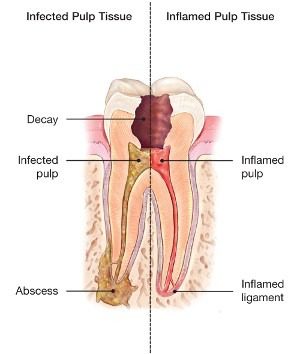
Root canal is a dental surgical operation aimed at rescuing the periodontal tissue from the inner chamber of a tooth. The pulp is the soft core of the tooth comprising the nerves, blood vessels, and connective tissue. Once bacteria enter that zone through deep decay, cracks, or a blow, the tooth is exposed to unbearable pain, swelling, and the infection’s spreading stage.
In a root canal, the removal of the infected tissue is the first step, then comes the cleaning and disinfecting of the space, and finally, the canal is sealed with a biocompatible material. The crown would then be placed to both firm up and give back the tooth its function.Root canal treatment is not a last-chance option; it is a tooth-saving intervention supported by clinical practice for several years.
5 Signs You Might Need a Root Canal
A professional examination is the only way to definitively tell if a root canal is required, but patients usually describe similar symptoms that give the hint. Prompt identification of the signs can stop the development of the infection and keep the tooth safe for a while longer.
1.Persistent, Deep, or Throbbing Tooth Pain
One of the most obvious signs is pain that is hard to get rid of. This might be:
- A deep, dull ache
- Pain that gets worse when you chew or apply pressure
- Throbbing pain that lasts for hours
- Pain that disturbs your sleep
- Sensitivity to Hot or Cold That Lingers
Short, sharp sensitivity to temperature changes is common. But if the sensitivity:
- Lasts for several seconds to minutes
- Causes noticeable discomfort
- Occurs even without obvious triggers
It may be a sign of pulpal inflammation. When hot or cold sensations linger long after the stimulus is removed, the nerve inside the tooth is likely compromised.
This lingering sensitivity is one of the earliest warnings that a root canal may be needed.
- Swollen, Tender, or Gum “Bump” Near the Problem Tooth
Inflammation around a tooth can sometimes appear as:
- Swelling in the gums
- Tenderness when pressing the gum area
- A small pimple-like bump (also called a sinus tract)
- Bad taste or discharge from the affected spot
These symptoms occur when infection inside the tooth spreads to surrounding tissues. A gum boil or pimple is your body’s way of draining infection, a sign that the problem has advanced and needs professional care immediately.
4. Darkening or Discoloration of the Tooth
A tooth that turns greyish, brown, or darker than neighboring teeth may indicate:
- Previous trauma
- Internal tissue death
- Nerve damage
- Long-standing infection
The discoloration happens when the pulp that dies isn’t supplied with blood. A tooth that still doesn’t hurt might already have a huge internal damage. The infected part of the tooth can be removed with root canal therapy and the tooth can be saved, while the aesthetic resin fills the lost substance and makes the tooth look like before.
5. A Cracked, Broken, or Injured Tooth
Teeth that have suffered injuries from accidental falls, grinding, or biting something hard may develop microscopic cracks. These cracks allow bacteria to enter the pulp chamber discreetly.
Even small fractures can trigger:
- Intermittent pain
- Sensitivity
- Swelling
- Bite discomfort
A cracked tooth often declines rapidly if untreated, and root canal therapy becomes essential to save it from extraction.
Why You Shouldn’t Fear Root Canal Treatment
Root canals have an outdated reputation rooted in old techniques and limited anesthesia. Dentistry today is vastly different. Modern root canal therapy is:
- Nearly Painless with Modern Anesthetics and Technology
Local anesthesia effectively numbs the area, and most patients report the procedure feels no different from getting a filling. Advanced rotary systems, apex locators, digital imaging, and laser-assisted techniques ensure accuracy, speed, and comfort.
Many patients are surprised:
The relief after treatment feels far better than enduring the pain of infection.
2. A Tooth-Saving Procedure and Not a Tooth-Removing One
Extraction is always the last option in dentistry. A natural tooth, once removed, cannot be replaced with the same biological efficiency even the best implant cannot replicate natural periodontal ligament support.
A root canal preserves:
- Chewing ability
- Bite alignment
- Natural tooth structure
- Aesthetics
- Jawbone health
Keeping your natural tooth is always the ideal choice when feasible.
- A Quick Procedure with Long-Lasting Results
Generally,root canal treatments are done in either one or two visits. A tooth may be able to survive for several years, or even a whole lifetime, after it has been treated and covered with a crown.Moreover, the tooth’s life will be lengthened even more by normal dental visits and cleanings.
- The Best Way to Stop Infection from Spreading
Untreated root infections can spread to:
- Adjacent teeth
- Jawbone
- Facial tissues
- Sinuses
- In rare cases, systemic circulation
Root canal therapy stops the source of infection, helping restore oral and overall health.
How The Dental Venue Approaches Root Canal Treatment
Our philosophy is simple: treat the infection, protect the tooth, and provide a stress-free experience. Here’s what patients can expect with us:
Comprehensive Diagnosis
Digital X-rays, CBCT scans (when required), and clinical evaluation allow accurate assessment of infection severity.
Comfort-Driven Treatment
Local anesthesia, gentle technique, and equipment designed for precision help ensure comfort.
Advanced Rotary Endodontics
These tools allow quicker, more predictable cleaning with less discomfort.
Customized Restorations
A post-treatment crown restores strength, function, and appearance.
Clear Communication
We explain every step so you feel informed, never uncertain.
When Should You See a Dentist?
In case you have persistent pain, swelling, or are sensitive to temperature, do a check up without delay. Treatment will be easier, the recovery quicker, and the tooth will most likely be saved if you get diagnosed early. Putting off the condition will only make it more complicated and bring you more pain.
Root Canals Are Not the Enemy but Infections Are
Dental anxiety is often caused by the fear , which is a major factor infrequently understood by those suffering from it. Currently, a root canal is considered to be a safe, simple, and successful operation that is integral to the modern technology, techniques, and patient-focused care.
The Dental Venue team and I are very much aware of your predicament and would like to assure you that we are the people to turn to for direction if you have any of those symptoms or if you just want a check-up of your dental health. It is always a good idea to keep your natural tooth and with the right therapy, you will be able to smile, chew, and live comfortably once again.