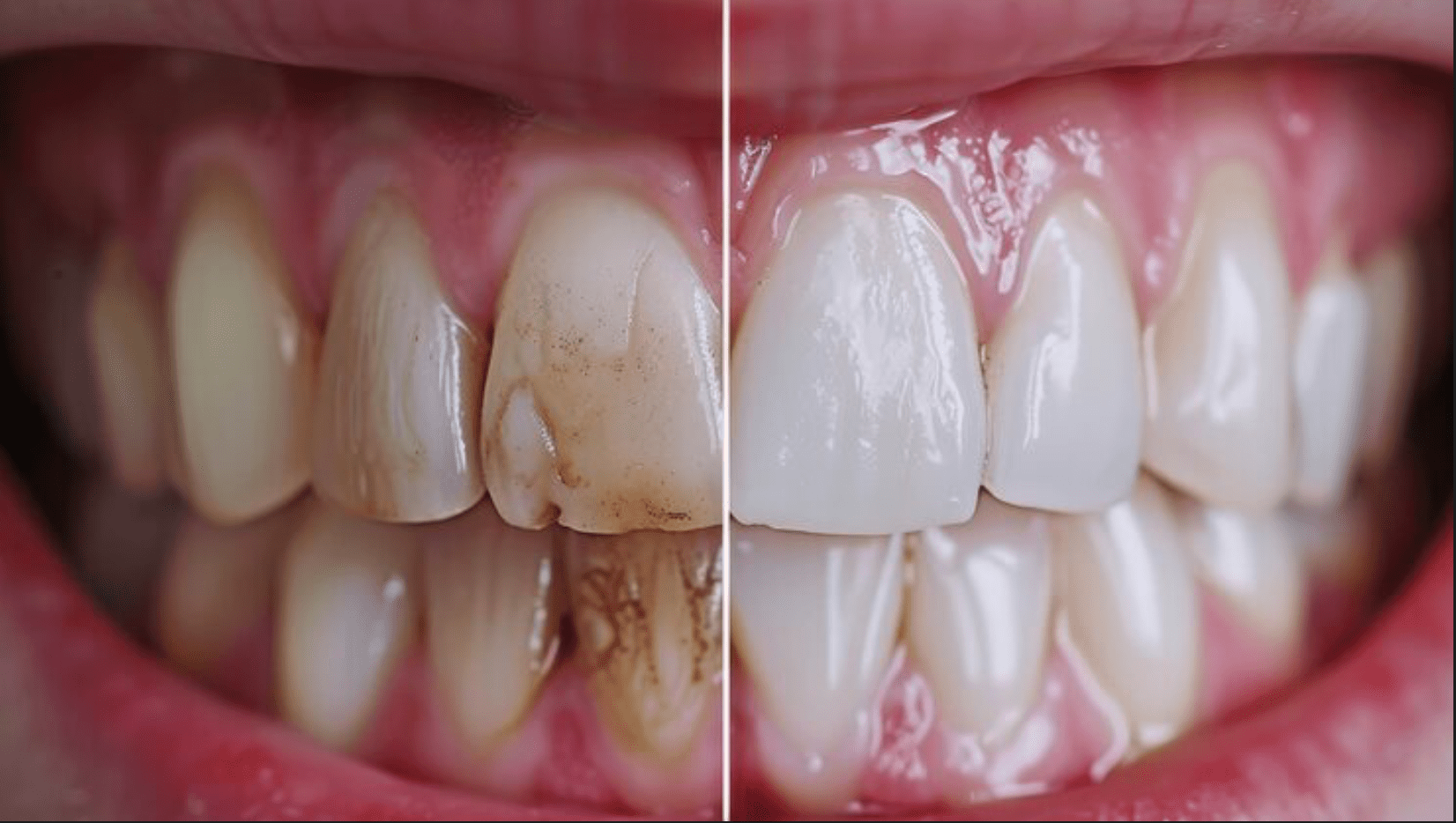
A dark spot on a tooth can instantly raise concern. Many patients look in the mirror, notice a brown or black mark, and assume the worst: “Is this a cavity?” Truth is, discoloration of teeth does not in every case indicate decay. Teeth in fact get stained due to a number of reasons that are not harmful to the teeth, and a stain that visually looks fine may in fact be a very early cavity developing below the surface. It is important to be able to differentiate between the two as stains are mostly a matter of appearance, whereas cavities, if not treated in time, will lead to the destruction of the tooth inside.
At The Dental Venue, we see many patients who have postponed their dental visit just because they thought a spot was merely ‘a stain,’ and some who become overly worried about discolorations that are, in fact, quite harmless.The right approach is not guesswork but it is understanding what stains look like, how cavities behave, and when a professional examination is essential
Why the Difference Matters
Stains interfere with the tooth’s appearance, while cavities destroy the tooth’s structure. A stain can be on the surface of the enamel or even within the tooth without causing any damage. On the other hand, a cavity is basically the decay of the part of the tooth affected by bacteria and acids that gradually break down enamel and dentin. Failure to treat cavities will result in them getting bigger, becoming painful, and ultimately, you might have to undergo a root canal or get the tooth extracted.
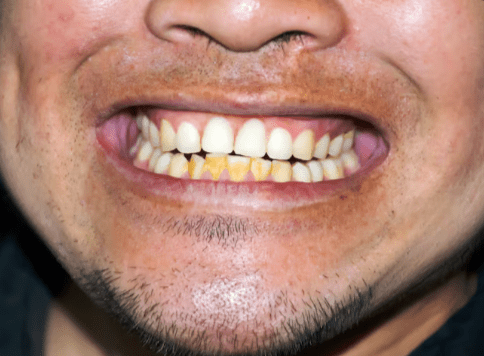
When the cavity is found at an early stage, it can be treated easily, mostly by a small filling or preventive care if it is at the “white spot” stage.
Understanding Tooth Stains: What They Are and Why They Happen
Tooth Stains: Tooth stains are discoloration which may either be on the surface of the tooth or within the tooth. The stains on teeth are quite common and are not a cause of concern in most cases but they can be treated in case they cause low self esteem or are indicators of bad oral habits.
1) Extrinsic Stains (Surface Stains)
Extrinsic staining means the discolored tooth surface (mainly the enamel) being the outer layer. The main offenders in such cases are often chemical compounds from foods, beverages or tobacco that get into the microscopic pores of the enamel and give out their color.
Common causes include:
- Tea and coffee
- Red wine
- Dark-colored soft drinks
- Tobacco (smoking or chewing)
- Highly pigmented foods (berries, sauces, spices)
How they look:
- Yellow, brown, or dark patches
- Often spread across multiple teeth
- Usually more visible near the gumline or in grooves
- Teeth may still feel smooth and intact
Extrinsic stains can often be reduced with professional cleaning, polishing, or whitening (depending on severity).
2) Intrinsic Stains (Internal Tooth Discoloration)
Intrinsic stains occur inside the structures in the tooth. They cannot be removed through regular cleaning.
Typical reasons are:
- Fluorosis (excessive exposure to fluoride during the time the teeth were developing)
- Some medications (such as tetracycline but only under certain conditions)
- When a tooth sustains a physical trauma it could result in bleeding inside the tooth pulp which is the innermost part of the tooth and contains the nerve and blood vessels
- Getting older (the enamel gets thin and the yellow dentin underneath shows)
- Old amalgam fillings that may discolor with time
How they look:
- Grey, brown, or yellow discoloration
- May appear as a uniform change in tooth shade
- Often resistant to normal brushing and cleaning
These types of stains are under the enamel of the teeth and thus may need to be treated by a dentist using professional whitening, veneers, bonding, or other cosmetic dental treatments.\
Understanding Cavities: What Tooth Decay Looks Like
A cavity is an area on the tooth where the tissue has been so heavily damaged that it is not worth repairing it, the protective layer of enamel has been worn off. The process of decay starts when acid-forming bacteria, which are always present on sugars and starches, first create plaque and then slowly eat away at the enamel.
Demineralization (White Spot)
Typically, the decay is first revealed by a white spot on the enamel of the tooth, right next to the site of the cavity that will later develop. This is an indication that the tooth is losing minerals at a very early stage.
What you may notice:
- A dull, white patch near the gumline
- A “rough” look in certain areas
- Mild sensitivity to cold or sweets
At this stage, decay may still be reversible with fluoride, improved hygiene, and professional guidance.
Middle Stage: Enamel Breakdown and Visible Discoloration
As the enamel weakens, the tooth may develop brown or black areas, especially in grooves or between teeth.
What you may notice:
- A dark spot that looks “deep” rather than superficial
- A mark that does not brush away
- Increased sensitivity when eating sweets or cold foods
Advanced Stage: Hole Formation and Pain
When decay reaches dentin and deeper structures, it becomes more serious.
What you may notice:
- A visible hole or pit
- Food getting stuck repeatedly in the same area
- Pain while chewing
- Sharp sensitivity or lingering toothache
- Bad taste or occasional swelling (if infection develops)
At this stage, delaying treatment can lead to infection of the pulp (nerve), requiring more complex procedures.
Cavities vs. Stains: Key Differences You Can Observe
Though a dentist is the most qualified person to confirm the diagnosis, some simple signs can give you a rough idea of what disease you may have.
1) Texture: Smooth vs. Rough
- Stains: Tooth surface usually feels smooth and intact.
- Cavities: When you get cavities, the surface might feel rough, or even a little sticky, and your tongue could get “caught” if you run it over that spot.
If your floss keeps shredding in the same spot or you’re always getting food caught there, it could be a sign of some structural damage.
2) Location: Where the Spot Appears
Stains commonly appear:
- On the front surface of teeth
- Near the gumline
- Across multiple teeth
- In general areas exposed to staining foods/drinks
Cavities commonly develop:
- In deep grooves of molars (back teeth)
- Between teeth (hard to see without X-rays)
- Near the gumline where plaque collects
- Under old fillings or crowns
A single dark spot in the chewing grooves of a molar deserves closer attention.
3) Sensitivity and Symptoms
- Stains: Usually no pain or sensitivity.
- Cavities: May cause sensitivity to cold, sweet foods, or chewing pressure.
However, early cavities can be painless so absence of pain does not guarantee safety.
4) Does It Change Over Time?
- Stains: Usually stable and slow to change if habits don’t deteriorate.
- Cavities : It grows and gets deeper depending a lot on how well you brush, what you eat, and your spit.
You can actually see these changes within weeks or months.If you notice a spot getting darker or bigger, or if you start feeling a new kind of sensitivity in it, it’s a good idea to get it checked out right away.
5) Can It Be Removed?
A stain may lighten with:
- Professional cleaning
- Polishing
- Whitening (depending on stain type)
A cavity cannot be “brushed away.” Even if a dark area appears to fade slightly, the structural weakness remains and may worsen underneath.
Why Cavities Sometimes Look Like Stains (And Vice Versa)
Dentistry is not always visibly obvious. Some dental grooves naturally have a darker shade, and certain stains penetrate deeply into pits, thus creating the illusion of decay. Likewise, dental caries on the sides of teeth may be hidden until they get very severe.
That is why professional diagnosis often involves:
- Visual examination under proper lighting
- Gentle probing to assess surface integrity
- Dental X-rays to check between teeth and under enamel
- Caries-detecting methods when needed
Trying to self-diagnose using phone flashlights and mirrors often leads to unnecessary anxiety or false reassurance.
What to Do If You Notice a Spot on Your Tooth
Step 1: Do Not Panic, But Do Not Ignore It
A tooth spot is not always an emergency, but it is always worth attention. Take note of:
- When you first noticed it
- Whether it is changing
- Any sensitivity or discomfort
- Whether food gets stuck there
Step 2: Improve Your Oral Hygiene Immediately.
Even if it is a discolor, better hygiene will prevent the occurrence of decay.
- Brush twice a day using fluoride tooth paste.
- Floss every day (this cannot be compromised on to prevent cavity)
- Consider an alcohol free fluoride mouth rinse.
- Reduce the number of snacks and sweetened beverages.
Step 3: Avoid DIY Remedies that Can Damage Your Enamel.
Most of the natural forms of treatment to which one can turn for help at home, and that are widely circulated on the web (lemon, abrasive baking soda scrubs, charcoal powders, etc.), are likely to be rough/acidic and hence will destroy the enamel and increase the sensitivity.
For the area where the whitening is going to be done, it must be done under the professional control in a proper set up.
How Dentists Treat Stains vs. Cavities
When It’s a Stain:
Treatment depends on the cause and how deep it is:
- Scaling and polishing (to clean surface stains and remove plaque)
- Professional whitening (to deal with the general discoloration)
- Microabrasion (to treat specific enamel stains)
- Veneers or bonding (to get rid of deep intrinsic stains or cosmetic correction)
If It’s a Cavity:
Treatment depends on how deep it is:
- Fluoride and remineralization therapy (very early stage)
- Dental filling (most common)
- Inlay/onlay (for larger areas of decay)
- Root canal + crown (if decay reaches the nerve)
- Extraction (only when tooth cannot be saved)
The goal is always to preserve the natural tooth structure as much as possible.
When You Should See a Dentist Without Delay
Book an appointment soon if:
- The spot is on a molar chewing surface and looks deep
- You have sensitivity to sweets, cold, or chewing
- The mark is growing or darkening
- You notice a hole or roughness
- Food repeatedly gets stuck in the same area
- You have bad breath that persists despite brushing
Early assessment can prevent a small issue from becoming a major one.
Final Thoughts
It is not always easy to differentiate between cavities and stains, even in cases of well-kept oral hygiene by the patient. Stains are usually surface, stable and painless whereas cavities have structural damage and can be silent up to the manifestation of the symptoms. The best option is to use any red flag as an indicator of a checkup in your oral habits and a professional visit particularly when the discoloration is new, localized, and sensitive. In case of doubt on whether it is harmless staining or early decay of the teeth, a prompt examination in The Dental Venue can give him or her a clear picture, prevention advice and the appropriate treatment before the issue escalates.