The loss of a tooth does not sound as a great problem to be worried about, particularly when the lost tooth is not visible when you smile. Most individuals procrastinate in seeking treatment due to either lack of pain, being too busy, or thinking that one lost tooth will not cause much harm.
A tooth loss is however more than just cosmetic. Each and every tooth in your mouth serves a significant purpose in chewing, talking, holding the rest of the teeth in position, and holding the structure of your jaw. The loss of one tooth and failure to treat the lost tooth will create a ripple effect on your oral health in the long-run.
The more the time a missing tooth is neglected, the harder and costly the outcome may be. Knowing the long-term consequences will enable you to make a wise choice before a minor problem turns out to be a much bigger issue.
The Teeth Around Start to Move.
The teeth are made to be a comprehensive system. The teeth hold each other and assist in keeping the entire bite correctly positioned.
In the case of a lost tooth, the teeth near the lost tooth start to drift gradually to fill in the lost space. This movement may occur slowly, and you may not even realize it initially. The teeth surrounding the gap can tilt, rotate or dislodge.
The bite may get lopsided as the teeth move. You may begin to notice:
- Food becomes trapped more readily.
- Problems in chewing some foods.
- Alteration in the manner in which your teeth fit with each other.
- The pressure on some teeth is increased.
In the long run these changes can cause misalignment and could even necessitate orthodontic correction besides replacement of the lost tooth.

Jaw Bone Loss.
Jawbone loss is one of the most severe long-term consequences of a missing tooth.
The teeth are not just held by the roots of your teeth. They also make the jawbone work every time you chew. This exercise keeps the bone healthy and strong.
The loss of a tooth means that that area of the jaw will no longer get a normal stimulus. Consequently, the bone there starts to shrink. This is termed bone resorption and it may commence during the initial months following the loss of the tooth.
Initially, bone loss might be unnoticed. But over time it may result in:
- A recessed look on the face.
- Jawbone thinning.
- Problems with supporting future tooth replacement.
- Early aging of the mouth and cheeks.
In case of excessive loss of bone, further treatment like bone grafting might be required before a dental implant can be placed.
Chewing Decreases in Efficiency.
The loss of a tooth influences your food chewing behavior. You can start not using one of your mouths or even not eating some foods.
Most individuals who have lost their teeth do not consume harder or healthier foodstuffs like fruits and vegetables as well as nuts and lean meat since they find them harder to chew. They can instead depend on more processed and soft foods.
This may eventually affect nutrition and digestion. An imprecise chewing may also impose an additional burden on the remaining teeth, which augurs the possibility of wear and damage.
In case there are more than one tooth missing, the issue becomes much more evident. The simplest things like dining in restaurants or attending parties can be awkward or humiliating.
High Risk of Gum Disease and Tooth Decay.
As the teeth slide into the gap created by a missing tooth, they form hard to clean areas in which food and plaque may accumulate.
Tilted or crooked teeth are harder to brush and floss. This predisposes the risk of:
- Cavities
- Gum inflammation
- Periodontal disease
- Bad breath
In case gum disease sets in, then it can cause further deterioration of the teeth around it and can even result in loss of more teeth.
That is, neglecting a single lost tooth may risk the loss of more teeth in the long run.
Changes in Speech
The teeth are also important in the pronunciation of some sounds and words. Loss of teeth, especially at the front of the mouth, may interfere with your speech.
A lisp, inability to pronounce some letters, or voice alteration may be experienced. At first, these changes might appear to be minor, but they may influence confidence in personal and professional circumstances.
Speech changes may become especially aggravating to individuals who talk frequently in conferences, instruct, and communicate with customers or produce materials.
The Jaw Joint Strain.
The jaw joint can also be involved when you lose your bite due to a missing tooth. The temporomandibular joint commonly referred to as TMJ assists you in opening and closing the mouth.
The imbalance of the bite may cause additional tension on this joint and the muscles around it. In the long run, it can lead to:
- Jaw pain
- Headaches
- Clicking or popping sounds.
- Problem with full mouth opening.
- Facial discomfort
These symptoms may be aggravated when the lost tooth is not treated in the long run.
The Emotional and Social Impact.
The consequences of losing a tooth are not necessarily physical. Most individuals are self conscious about their smile especially when the gap is evident.
Loss of a tooth may make one lack self-confidence in a social context, at work or even taking photos. Other individuals do not smile, talk, or see new people, as they feel embarrassed.
This may not be a big problem to other people, but confidence and self-image is a significant factor in general well-being.
Tooth replacement is not always just a replacement of the missing tooth. It can be used to make people more at ease, more positive and confident in their everyday life.
The Importance of Early Treatment.
The sooner a tooth that has been lost is addressed, the less difficult the prevention of the long-term complications is.
In modern dentistry, there are a number of valid alternatives to missing teeth such as:
- Dental implants
- Dental bridges
- Partial dentures
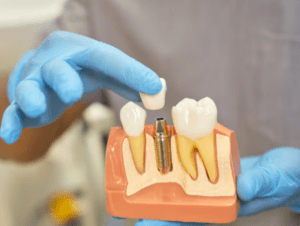
Dental implants are usually seen as the most successful in the long run due to the fact that the tooth itself and the root are replaced. This is aimed at saving the jawbone and normal functioning.
The most appropriate treatment is based on your oral health, the position of the lost tooth and the time when you lost the tooth.
Delaying treatment may seem harmless in the beginning, but it often leads to more extensive procedures later. Addressing the issue early can save time, discomfort, and cost in the future.
Final Thoughts
The fact that a missing tooth is not a serious case nowadays does not mean that the consequences of the issue can be serious in the long term. Be it in the form of the teeth shifting and loss of bones, the loss of a single tooth can have a much greater impact than you might imagine, in speech, chewing and confidence, to name a few.
In case of losing a tooth, it is necessary to consult professionals before the issue deteriorates. With early treatment protection, your oral health is covered and you stand a chance of having a healthy and confident smile many years to come.
At Dental Venue we know that all smiles are different. We provide individualized treatment of the missing teeth and assist the patients to renew functionality and self-esteem through providing high-tech comfortable dental care.