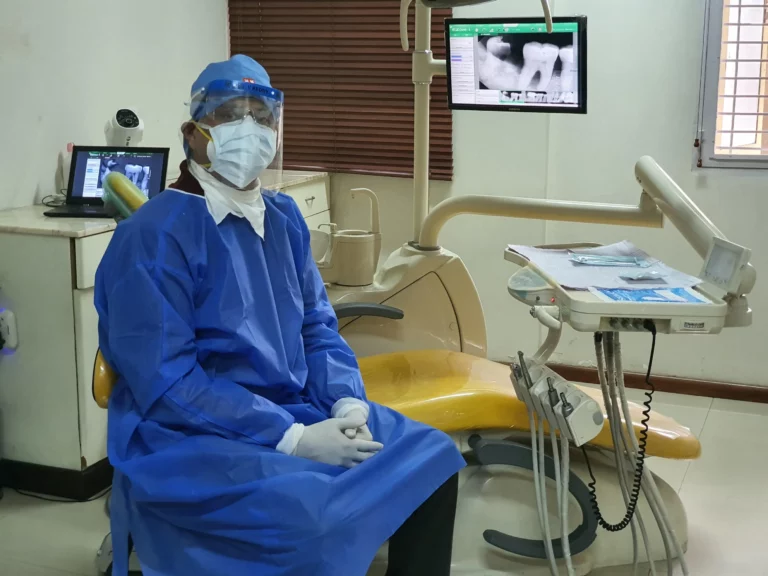
The problem to be addressed is the sudden sharp pains in the teeth when eating sweet delicacies. The majority of the individuals are not comfortable around chocolates, candies, desserts, and sweetened drinks. The sensation may be temporary (in a few seconds), but it may be the tip of the iceberg which shows that there is something wrong with the teeth which cannot be overlooked. The fact that sugar is a source of tooth sensitivity is not just a mere inconvenience, it may be the initial indication of tooth decay, enamel erosion and gum problems or any other oral problem.
Information about the reasons for this phenomenon could contribute to assisting people in taking the appropriate steps in the prevention and treatment of the same.
Tooth Sensitivity: Its causes and how to manage it?
The outermost part of the teeth is a tough substance referred to as enamel that protects the teeth against heat, chemicals, and bacteria. The dentin is the tissue under the enamel and it is a porous tissue that contains microscopic tubules that lead to the nerve center of the tooth (pulp).Examples of such dentinal tubules are seen when the enamel is thin, damaged or in cases of receding of the gums. Sweet substances are able to reach these minute tubes and activate the nerves within the tooth leading to a sharp or persistent pain. This response is usually known as tooth sensitivity.

Although hot or cold foods may cause sensitivity, the sensitivity triggered by sugar may mean that there are certain oral problems that need to be addressed.
Common Causes of Tooth Pain When Eating Sweets
- Tooth Decay (Cavities)
Tooth decay is also one of the most common causes of pain during the consumption of sweets. Cavities develop as the bacteria of the mouth digest the sugars and produce acids which slowly erode the enamel of the teeth.
When the enamel is made soft or a hole is formed, the sweet substances may easily reach the inner layers of the tooth which are sensitive. This exposure causes pain or uneasiness. Only pain can be felt during the initial phases of decay when the patient consumes sugary foods, but with further progression, it can also be experienced even without any stimulus.
- Enamel Erosion
Enamel erosion is a phenomenon that takes place when the outer tooth covering wears off. This may be due to a number of reasons such as regular intake of acidic food and drinks, rough brushing or due to an ailment like acid reflux.
As the enamel becomes thin, the dentin layer becomes exposed. Dentin is very sensitive and, therefore, even when it is exposed to a small level of sugar, the nerve endings may become triggered and lead to pain.
In contrast to cavities, enamel erosion normally involves larger positions of the teeth and can result in the heightened sensitivity of a number of teeth.
- Gum Recession
The roots of the teeth are safeguarded by healthy gems. But this is not always the case and when the gums recede as a result of gum disease, age or improper brushing, the root surfaces become exposed.
The root, unlike the crown of the tooth, is not covered with a hard substance, enamel, but with a soft one, cementum. When this coating is eroded, there is a direct exposure of the dentin to factors like sugar, cold or heat.
Consequently, one can develop a localized sharp pain when consuming sweet things.
- Lost or Broken Dental Fillings.
Dental fillings are developed to be used in the restoration of dental cavities. But with time, fillings wear out, become cracked and lose their place. At this occurrence, there might be the formation of small holes between the filling and the natural tooth structure.
These holes enable the leakage of sugars and bacteria to penetrate the delicate inner radiations of the tooth that leads to pain during the intake of sweetened foods. In these circumstances, filling can be replaced or repaired and the problem can be solved.
- Tooth Cracks or Fractures
Sensitivity can be brought about by small cracks in a tooth. Such fractures can be as a result of grinding of teeth, trauma, biting tough foods or wear and tear in the long run.
When something sweet is passed into a cracked tooth, it may irritate the pulp and nerves around it causing sharp painful or intermittent pain. Dental imaging can be necessary to accurately diagnose cracks since the cracks can be hard to notice without being examined by professionals.
- Teeth Whitening Sensitivity
There are instances of temporary sensitivity of teeth in some cases after teeth whitening treatment. The enamel has microscopic pores which can be slightly opened by a whitening agent to enable stimuli such as sugar to reach nerves with ease.
Even though this sensitivity normally heals after a couple of days, the lasting discomfort must be assessed by a dentist.
Signs That Require Professional Evaluation
Although a brief and mild sensitivity can be not a cause of panic, there is no need to disregard persistent or progressive symptoms. Warning signs include:
- Regular pain during sweets consumption.
- Several minute periods of sensitivity that follows a meal.
- Dark or holes on teeth.
- Bleeding or edema of the gums.
- The sensitivity to hot or cold foods as well as to sweets.
All these symptoms can signify that there is a dental problem that needs to be treated as soon as possible.
Preventive Interventions to minimize Sugar Sensitivity.
Tooth sensitivity associated with sweets may be greatly minimized by keeping the mouth clean and engaging in prophylactic strategies.
- Brush your teeth properly : The use of a soft-bristled toothbrush with fluoride toothpaste twice a day will strengthen enamel and prevent its decay.
- Reduce the amount of sugar taken often : The consumption of snacks and drinks rich in sugar is reduced to a minimum because this reduces acid generation by the oral bacteria.
- Apply toothpaste desensitizers : Toothpaste is designed specifically to counteract the pain on sensitive teeth, it prevents nerve pathways and relieves pain in the long run.
- Avoid aggressive brushing : Excessive brushing will cause the enamel to wear away and cause a recession of the gums.
- Book periodic dental examinations :Regular check ups enable the identification of cavities, gum disease and enamel damage; therefore, prevent their progression.
Treatment Options for Sweet Sensitivity
The sensitivity is treated according to the cause of the sensitivity. Dentists may recommend:
- Enhancements of enamel by using fluoride therapy.
- Restoration of cavities by dental fillings.
- Sealing steps to seal revealing dentin.
- Treatments To fix recession or periodontal disease in the gums.
- Root canal treatment in case of severe cases when the nerve of the tooth is involved.
Timely diagnosis means that the condition may be managed with a minimum intervention.
Conclusion
Sweet food causes pain in the teeth, which is usually the mechanism of the body alarming that something is influencing the defenses around the teeth. Regardless of the cause, which may be the tooth decay, erosion of the enamel, recession of the gum or the damaged dental work, neglect of the symptom may cause greater oral health issues in the long run.
Identifying the root cause with proper oral health, dieting, and professional administered dental practices can serve to reestablish the comfort and safeguard the future dental well-being. In case sensitivity to sweets occurs regularly or constantly, it is possible to refer to highly qualified dentists in time to make a correct diagnosis and provide proper care. The Dental Venue aims at finding the origin of dental sensitivity and giving our customers specific care that will enable them to have strong, healthy, and painless teeth.