Most individuals identify loose teeth with the childhood stage when primary teeth automatically shed off to allow permanent marks to take their place. It may however be frightening when an adult finds a tooth becoming loose and usually it creates an alarm about a problem in oral health. In contrast to children, loose teeth in adults are hardly normal and are mostly precursors to some underlying dental condition and each needs urgent attention.
Learning about the potential reasons of teeth movement and understanding early symptoms could be used to prevent further destruction and save natural teeth.
Understanding the Jaw Joint
An attachment of help to maintain healthy teeth is a system of special structures that connect them to the jaw bone (periodontal ligaments) and ones that cement the tooth root to the bone. These ligaments enable a little degree of flexibility, which enables the teeth to take the pressure during the chewing without getting loose.
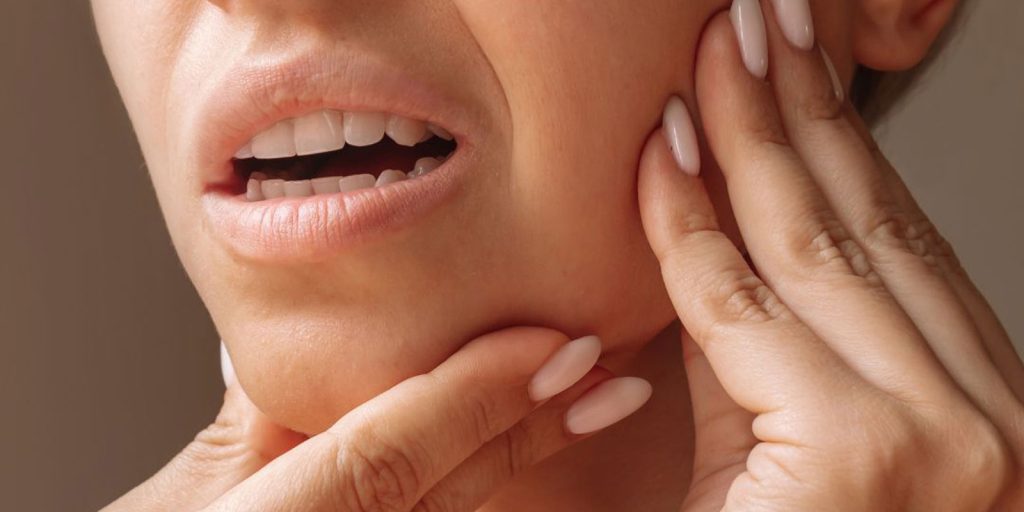
This motion, under usual circumstances, is so slight and imperceptible. But once the tissues or bone supporting the teeth begin to decay, teeth can begin to move, become loose or change their placement. This mobility can slowly deteriorate in case the underlying cause is not taken care of.
Common reasons for loose teeth among adults.
- Periodontal disease is also known as Gum Disease (Periodontal Disease).
Gum disease or periodontal disease is one of the most prevalent causes of loose tooth development in adults. This disease starts by accumulation of plaque around the gumline. Plaque that is not removed by means of proper brushing and flossing becomes hard and grows to form tartar, which causes gum inflammation.
During the initial phase, which is referred to as gingivitis, the gums can look swollen, reddish, and likely to bleed. Without treatment, the infection may advance to periodontitis where the bacteria starts to destroy the bone, as well as, connective tissues which hold the teeth.
During the process of bone weakening, teeth gradually lose support and they might become loose. One of the most famous causes of the loss of teeth amongst adults is advanced periodontal disease.
- Trauma or Injury
Any direct trauma to the mouth e.g. sport accidents, falling, and impact can result in a tooth being loose. Although the tooth might seem firm at first after the injury, there is a possibility of internal damage of the supporting ligaments which can cause mobility after some time.
Dental examination is required immediately after an oral trauma, to determine the stability of affected teeth and eliminate the possibility of complication in the long term.
- Teeth Grinding (Bruxism)
Bruxism, also called chronic teeth grinding or clenching is the overworking of the teeth and its supporting structures. In the long run, this force of repetition may destroy the periodontal ligaments and result in the slow loss of the tooth.
People subconsciously grind their teeth in bed and therefore the condition is hard to notice without any professional examination.
- Bone Loss and Aging
Jaw bone density is determined by the age. Systemic conditions could also play a role in decreased tooth support via bone (e.g. osteoporosis).
In spite of the fact that aging in itself would not directly lead to teeth looseness, the weakness of bones together with other causes of oral health may predispose teeth to mobility.
- Poor Oral Hygiene
Poor brushing and flossing enables the build-up of the plaque and bacteria along the gumbed. This accumulation with time causes inflammation, infection and degeneration of the tissues that hold the teeth in place.
The reasons to have poor oral hygiene habits are considered to be the most preventable causes of tooth mobility and gum disease.
- Hormonal Changes
The gums and tissues which support the teeth can also be influenced by hormonal changes. Pregnancy, menopause, or some medical conditions can raise the sensitivity of the gums and cause inflammation.
Even though hormonal variation does not necessarily lead to loose teeth, they can predispose the gums to periodontal issues in case oral hygiene is not practiced with properness.
Symptoms that can be experienced with loose teeth.
Tooth mobility is very likely to accompany other indicators of oral health conditions. The sufferers of loose teeth can also report:
- Blood in the gums when brushing or flossing.
- Continued ill smell or unpleasant mouth taste.
- Swollen, red, or tender gums
- Gum recession, which is characterized by the teeth appearing long than normal.
- Hardly able to chew some food.
- Alterations in the manner in which teeth fit during biting.
Early detection of these symptoms can help in ensuring that dentists take action and record better treatment outcomes.
Can Loose Teeth Be Saved?
In most instances, the loose teeth could be stabilized in case the cause of the condition is detected earlier. The level of treatment will be based on the level of the condition and the extent of damage on the supporting tissues.
The usual types of treatment are:
- Deep cleaning (scaling and root planing): Such a procedure eliminates the plaque and tartar that are situated below the gumline and aids the reduction of the infection and inflammation.
- Splinting: There are cases where dentists would bond a loose tooth to the adjacent teeth to enable the supporting tissues to heal.
- Night guards for bruxism: Professionally-crafted mouthguards are able to cushion against the pressures of teeth grinding when one is asleep.
- Periodontal treatments: The progressive gum disease can be treated with specific interventions to normalize the gum and avoid the loss of more bone.
- Bone grafting procedures: Where severe bone loss has taken place, regenerative surgeries can contribute to the reconstruction of the supporting structures.
Preventing Tooth Mobility
Most of the prevention of loose teeth is achievable by ensuring that the gums and supporting bone structures are healthy and strong. The preventative measures would involve:
- Toothpasting teeth twice a day with fluoride.
- Brushing teeth on a regular basis to remove plaque.
- Not taking tobacco products that predispose one to gum disease.
- Restricting sugary foods that encourage the growth of bacteria.
- Using protective mouthguards in sporting activities.
- Arranging regular check-ups and cleaning by dentist/cleaner.
Regular preventive treatments would help to identify the early stages of gum disease early on before it progresses to other more serious diseases.
Indications of seeking professional dental attention.
Tooth movement is an aspect that must be examined by a dentist in adult life. Sometimes it is possible to prevent some additional harm by early intervention, and a high possibility to save the natural tooth.
The postponement of treatment can lead to further development of the underlying condition which can lead to either severe gum disease, bone loss or loss of teeth.
Conclusion
Loose teeth in adults is not a common phenomenon and is usually an indicator of any underlying oral health problem especially gum disease. Periodontal infections, trauma, teeth grinding, or inadequate oral hygiene might lead to the loss of support structures upon which the teeth depend; hence mobility over a period of time.
If jaw clicking becomes frequent, painful, or interferes with normal jaw movement, seeking professional guidance is important. At The Dental Venue, we emphasize comprehensive evaluation of jaw joint concerns and provide appropriate treatments to restore comfortable jaw function and support long-term oral health.