It is really displeasing to find yourself with a headache when waking up, however, the trouble might be even bigger because such a headache can be considered as one of the first warning signs that your body is working against you. Perhaps your headache is due to dehydration, stress, or even bad sleeping posture; nevertheless, sleep apnea is still the most frequent cause of sleep-related headache which is a condition where the patient’s breathing is stopped or is very limited, then starts again, repeatedly, during the patient’s sleep.
We at The Dental Venue, frequently come across such patients who have been suffering from morning headaches for several months or even years and are not aware that their dental health and airway health are closely interconnected. Knowing this connection can be your first step to getting back the lost sleep, good health, and high performance during the day.
What Is Sleep Apnea and Why Does It Matter?
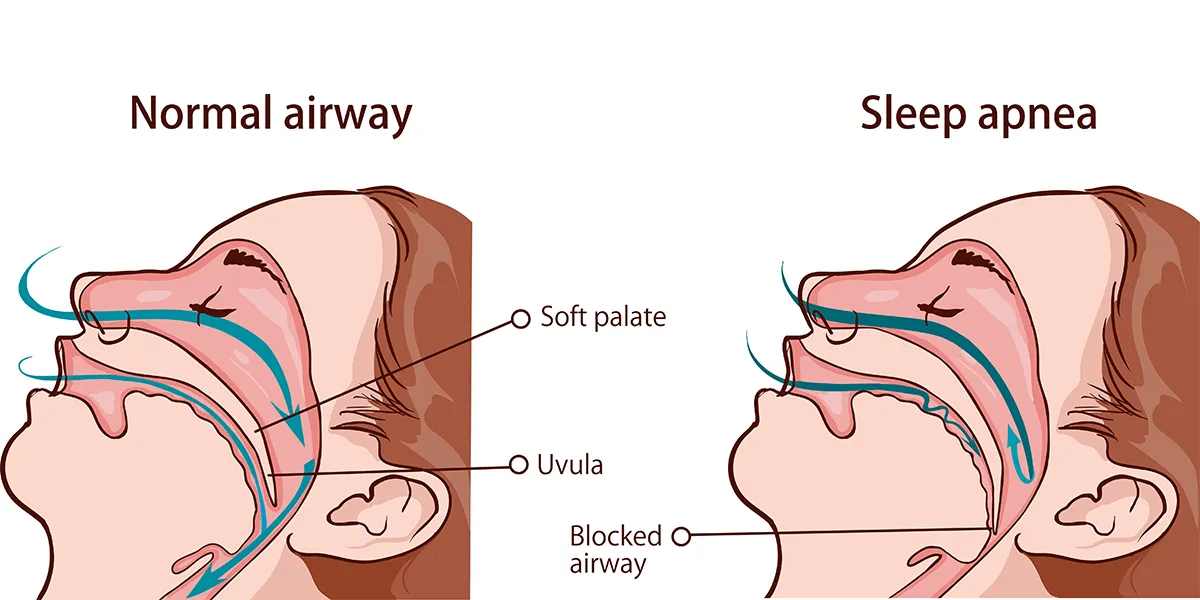
Sleep apnea is a disorder that involves several breathing interruptions throughout the night. The major type, Obstructive Sleep Apnea (OSA), is that which arises when throat muscles become too relaxed, thus the airway is narrowed or blocked and the air cannot flow freely.
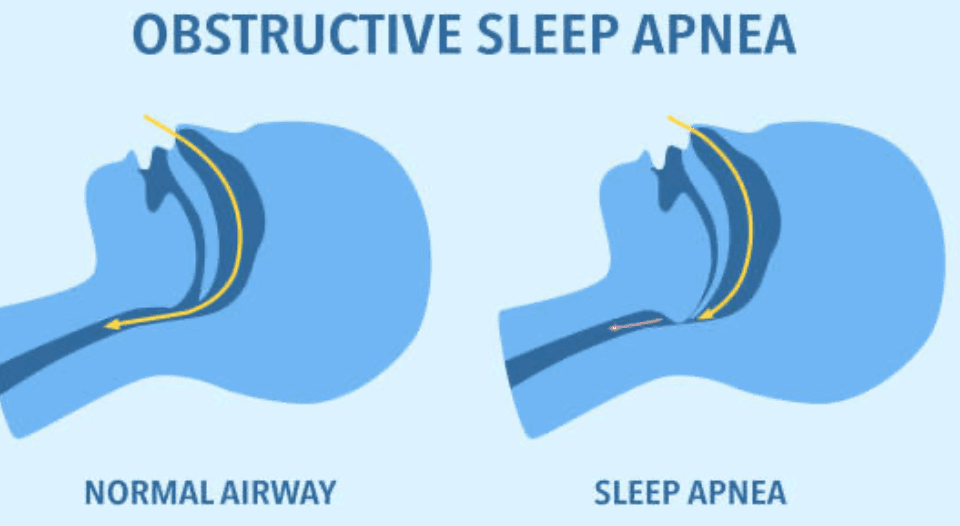
At such times, the oxygen level in the blood decreases, the brain recognizes the situation as dangerous, and sleep is broken with a start, though this usually goes unrecognized. This process can be repeated from several tens to even a few hundred times during a single night.
Why is it important?
Because continued sleep is the main thing for oxygen to be carried throughout the body, for the brain to function, for muscles to get repaired, and for hormonal balance to be kept. If sleep is frequently interrupted, the effects will be experienced in the mornings first.
Why is it important?
Because continued sleep is the main thing for oxygen to be carried throughout the body, for the brain to function, for muscles to get repaired, and for hormonal balance to be kept. If sleep is frequently interrupted, the effects will be experienced in the mornings first.
Why Sleep Apnea Causes Morning Headaches
Many patients don’t associate headaches with sleep—but the biology behind it is simple and logical.
1. Oxygen Deprivation
Oxygen is the one that gets to the brain mostly and that is why when an apnea episode happens the brain can be oxygen deprived. In an attempt to save the brain, vessels in the blood expand to allow more blood. This expansion can be redness and can lead to a headache that is continuous and awakening from a sleep can be accompanied with it.
2. Poor Sleep Quality
Sleep apnea prevents you from entering restorative deep sleep and REM cycles. Even if you “slept” seven hours, the sleep was fragmented. Your brain wakes up feeling fatigued, overworked, and stressed classic triggers for tension headaches.
3. Increased Carbon Dioxide Levels
While oxygen drops, carbon dioxide can build up. Elevated CO₂ levels can cause vascular headaches and make you feel foggy when you wake.
4. Mouth Breathing and Jaw Strain
Due to the fact that their airway collapses, a good number of sleep apnea patients as a matter of instinct open their mouth while sleeping or clench their jaw in order to make up. The consequence of this is that such people suffer from dryness, TMJ strain, and pain that goes from the jaw to the temples.
Signs That Your Morning Headache Is Actually a Sleep Issue
Not all morning headaches are caused by apnea, but there are certain patterns that suggest the condition:
Headache with a dull, heavy sensation on both sides of the head upon waking.
The pain disappears within a few hours after getting up.
The feeling of being unrefreshed is very frequent, regardless of the duration of sleep.
Daytime sleepiness is present.
Snoring is loud or breathing is stopped during sleep (usually a partner can notice it).
Waking up at night frequently.
In the morning, the jaw is tight or sore.
Dry mouth when awakening.
In case of similarities of two or more symptoms with yours, sleep apnea may be the cause of your headaches.
Who Is Most at Risk?
Sleep apnea doesn’t only affect older adults or people who snore. It can impact anyone.
Factors that increase risk include:
- Narrow airway or small jaw structure
- Chronic nasal congestion
- Excess body weight
- Family history of apnea
- Smoking or drinking close to the time you go to bed
- Lying on your back while sleeping
- Big tonsils or adenoids (mainly in children)
In fact, dentists are usually the ones who first think of sleep apnea because the alignment of the jaw, the position of the tongue, and the oral structures have a significant impact on the airway function.
The Dental Connection: How Your Mouth Reflects Your Sleep Health
What many patients don’t realize is that your airway and your dental anatomy are deeply connected. Here are a few oral indicators that suggest airway problems:
1. Teeth Grinding (Bruxism)
Grinding is the body’s attempt to push the jaw forward to reopen a restricted airway.
2. Worn or Flattened Teeth
Grinding constantly during apnea episodes can wear enamel, break teeth, and hurt dental restorations.
3. TMJ Issues
Jaw clenching to maintain breathing can strain the jaw joint.
4. Tongue Position
A large or low-resting tongue can obstruct the airway during sleep.
5. Narrow Dental Arch
A smaller mouth or crowded teeth reduces space for the tongue, increasing airway blockage.
At The Dental Venue, these signs often help us identify sleep-related breathing issues long before patients undergo a formal sleep study.
Why You Shouldn’t Ignore These Symptoms
Untreated sleep apnea affects far more than just sleep quality. Over time, low oxygen levels and poor sleep can contribute to:
- High blood pressure
- Increased risk of stroke or heart attack
- Type 2 diabetes
- Chronic fatigue
- Memory issues
- Mood disorders and irritability
- Decreased productivity
- Lowered immune function
If your body is sending signals fatigue, headaches, jaw soreness, and snoring it’s important to pay attention. These symptoms rarely resolve on their own.
How Sleep Apnea Is Diagnosed
A sleep study is the gold standard for diagnosing the condition. It may be conducted either in a sleep lab or at home. Home sleep tests are gaining more and more popularity as they are comfortable, accurate, and user-friendly.
A sleep study measures:
- Breathing patterns
- Oxygen levels
- Snoring frequency
- Heart rate
- Airflow interruptions
Once you know what’s happening at night, treatment becomes much more targeted and effective.
Treatment Options: What You Can Do to Feel Better
Sleep apnea is a condition that can be managed, and a large number of patients have their morning headaches considerably alleviated after the treatment of their airway problems.
1. Oral Appliance Therapy (Dental Sleep Devices)
A personalized device that moves the jaw in a minimal and comfortable manner to allow for breathing to continue is the best solution. It is a great option for people with sleep apnea in its mild or moderate stages or those who find it difficult to use CPAP.
2. CPAP Therapy
A machine that keeps continuous airflow through a mask.
Effective for moderate to severe cases.
3. Lifestyle Adjustments
- Sleeping on your side
- Weight management
- Reducing alcohol intake
- Improving sleep hygiene
- Avoiding sedatives before bedtime
4. TMJ and Bite Correction
If jaw position contributes to airway collapse, dental correction can help.
5. Surgical Options
For structural problems like enlarged tonsils or nasal obstruction.
At The Dental Venue, we work closely with sleep specialists to create tailored treatment plans that consider both your dental health and your airway needs.
When to Seek Help
Once a morning headache could be very disturbing in case it is frequently happening, if one is suffering from it, or it causes other problems, then it is definitely the time to get a medical evaluation. Taking care of it as soon as possible will make you feel better not only during the night but also in your daytime activities since you will have a better overall health.
Final Thoughts:
They are signals from your body showing that your breathing during the night and the quality of your sleep might be affected. Taking notice of these symptoms is a very important move in keeping your health for a long time.
We at The Dental Venue, think that each patient should get a good sleep which is essential for a healthy airway and a life without any kind of chronic pain. In case you have a sleep apnea condition or you wish to use dental methods to focus on the airway, just know that our team is always ready to provide you with professional and caring guidance.