
Smile correction is a range of dental services aimed at enhancing not only the visual appeal of a person’s smile but also its harmony and functionality through meticulously planned treatments.It is vital to realise that a smile correction is not just one single procedure or a straightforward answer for everyone. On the contrary, it consists of a tailor-made mixture of dental treatments that are chosen according to the person’s worries, dental health status, and future plans.
In certain cases, smile correction might be focused on small changes like fixing the shade of teeth or getting rid of tiny gaps whereas in other cases, it might touch upon the issues of alignment, the state of worn teeth or uneven proportions that affect both the look and the comfort of the person.Essentially, the aim of smile correction is not to achieve flawlessness but to obtain harmony resulting in a smile that appears natural, works efficiently, and is comfortable to wear in the long run.
An efficient and well-thought-out smile correction plan puts great emphasis on communication, appropriate expectations, and oral health, thus changes are implemented with consideration and not as a result of a cosmetic rush.
What Is Smile Correction?
Smile correction is basically a personalized dental treatment plan that enhances the aesthetic and functional sides of a smile. Rather than focusing on only one issue, it takes into account the harmony of teeth, gums,bite, and facial features altogether.
.Some of the issues that a smile correction procedure might resolve are: crooked or misaligned teeth, gaps between teeth, stains or discoloration which do not get better with regular cleaning, chipped or worn edges, and uneven gum lines that disturb the harmony of the face.
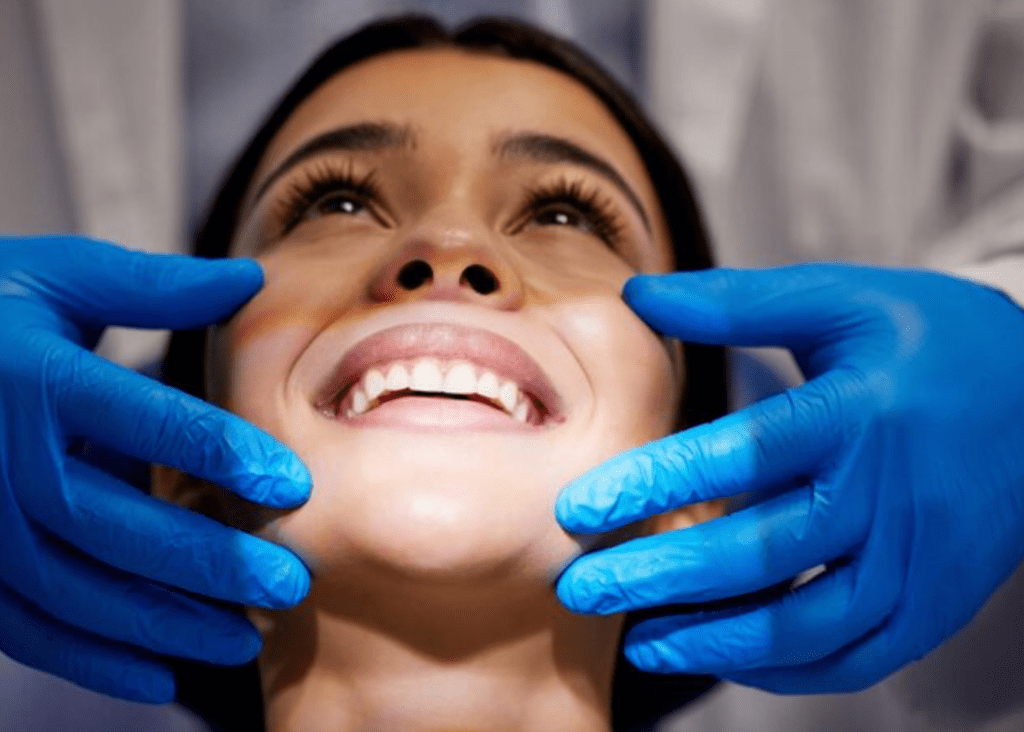
Since no two smiles are alike, smile correction is always the result of a personal evaluation. The emphasis is on long-term comfort, oral health, and harmony rather than on making changes that are drastic or that look fake.
Procedures Involved in Smile Correction
Smile correction may involve one or more dental procedures, depending on the concerns being addressed. Each treatment plays a specific role within the overall plan.
Teeth Whitening
Teeth whitening is often used to improve overall brightness and reduce staining caused by food, beverages, or ageing. It is commonly part of smile enhancement when colour is the primary concern.
Dental Veneers
Veneers are thin restorations placed on the front surface of teeth to improve shape, colour, or minor alignment concerns. They are typically considered when structural or aesthetic refinements are needed.
Orthodontic Treatment (Braces or Aligners)
Orthodontic treatment helps correct alignment, spacing, and bite issues. Braces or aligners may be included in smile correction when tooth positioning affects appearance or function. More information about alignment-focused care can be found on the orthodontics service page.
Dental Crowns
Crowns are used when teeth are significantly worn, weakened, or uneven. They restore strength while also improving appearance and balance within the smile.
Gum Contouring
Gum contouring reshapes uneven or excessive gum tissue to improve tooth proportions and smile symmetry. It is usually recommended only when gum levels significantly affect aesthetics.
Dental Implants
Dental implants may be part of smile correction when missing teeth impact appearance or bite balance. In such cases, implants help restore structure and visual continuity. This is discussed further on the dental implants service page.
Who Is Smile Correction For?
Smile correction is primarily for adults who do not feel their smile portrays their desired look or mood. This can be due to a mere cosmetic issue or a functional limitation. Furthermore, it is a good option for people who are in pain while biting or chewing because of their misalignment or teeth that are worn down.
People who are displeased with their earlier dental works that seem to be unnatural or uneven often think of smile correction as a means to bring back harmony. Also, it is a way for people who are looking for a slow, long-term improvement instead of a quick, short-term cosmetic treatment.
Smile correction treatment should not just blindly be carried out for everyone. A professional diagnosis is necessary before treatment as what is suitable depends on factors such as the patient’s oral health, the treatment required, and their expectations.
Before and After – What Changes?
The changes achieved through smile correction extend beyond visual improvement. Many patients notice better symmetry, more balanced proportions, and improved colour consistency across their teeth. Alignment adjustments can make the smile appear more relaxed and natural rather than forced or uneven.
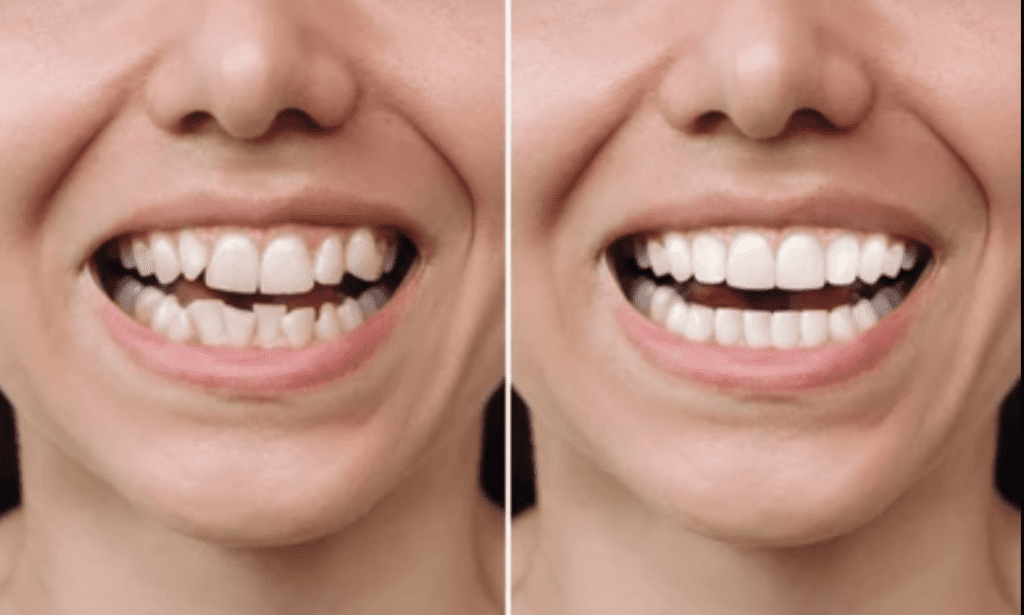
Functional improvements are also common. Bite correction helps in reducing the strain between teeth and joints of the jaw, thus making chewing a lot more comfortable. Better alignment and spacing not only facilitate easier oral hygiene but also reduce the areas where plaque can easily form.
Confidence is probably the change that most people notice first. A person whose teeth are comfortable and visually agreeable will generally smile more openly and talk with greater confidence.
Treatment Timeline & Expectations
Smile correction timelines vary widely because they depend on the treatments involved. Some procedures, such as whitening or minor contouring, may be completed over a short period. Others, particularly orthodontic treatment, may take several months.
Refining the smile according to the patient’s wishes is a step, by, step gradual process. The patient’s perseverance, especially in the use of the aligner and care of the mouth, must be rigorously maintained.
Having definite, sensible expectations from the beginning is of the utmost importance. The main point is making safe, gradual progress under the guidance of a very accurate plan, rather than having the illusion of a sudden, striking change.
Benefits of Smile Correction
- Improved confidence through a more balanced and natural-looking smile
- Better oral function and bite comfort
- Enhanced long-term dental health through aligned and well-maintained teeth
- Personalised treatment planning rather than standardised procedures
- Subtle, natural results that complement facial features
How to Get Started
The correction of a smile is entirely dependent on a dentist’s decision following an assessment and consultation of the case. The dentist checks the shape, straightness of the teeth, condition of the gums, and bite to find out what changes are possible and suitable. A treatment plan is prepared based on the patient’s requirements and in accordance with their beauty goals and health considerations.
From a more general perspective of how smile correction relates to overall dental care, those in the patient role are welcome to look into the dentist in Bangalore page which discusses general dental services and the care philosophy.
Patients focusing on changes to their alignment are advised to check the orthodontics page that gives details of the services, whereas the dental implants page offers information about the restorative options available to the patients. Correcting a smile effectively involves a thorough professional assessment, open communication, and a carefully detailed plan. Such a plan guarantees that the changes will be subtle, aesthetically pleasing, and will enhance the overall beauty of the face.