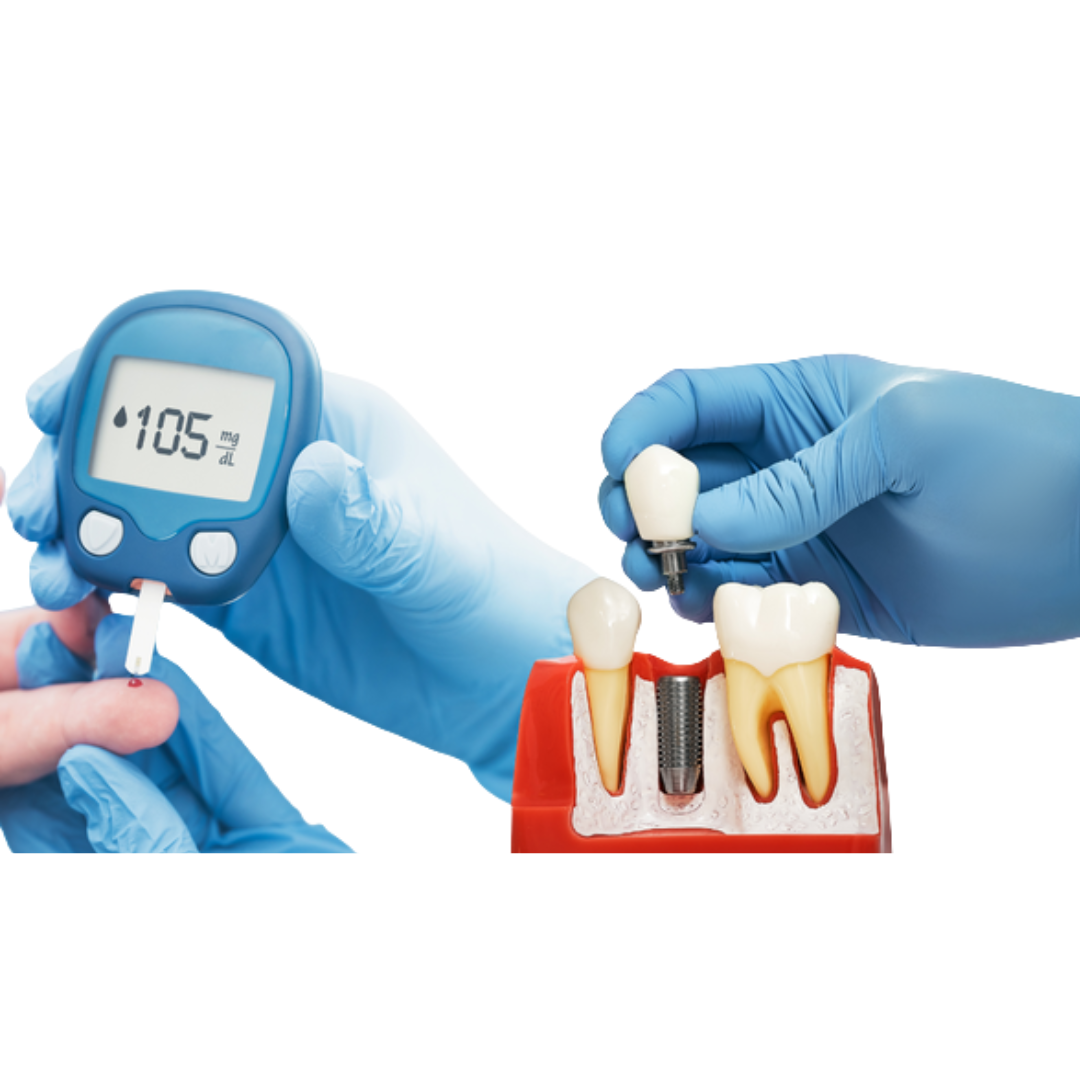
However, being a diabetic does NOT mean you are ineligible for dental implants. The ultimate goal is blood sugar control: Well controlled diabetes will often yield the same healing results as a patient without diabetes, but a poorly controlled blood sugar will delay healing and result in an increased risk for complications. The word is not “diagnose” but “control” and that is something your dentist and physician will determine, not you.
How Diabetes Affects Dental Implant Healing
Diabetes can have a negative impact on the healing process of implants.
Successful osseointegration is the key to successful implants, just as the securing of the natural tooth root by the surrounding tissues is essential.
What is Osseointegration?
Osseointegration is the process whereby the body’s jawbone gradually fuses around the implant and gives it a secure anchorage, similar to the securing of the natural tooth root by the surrounding tissues. This is a natural healing game is a physiological healing process and only works if the blood flows and the defence system is normal.
Prolonged elevation in blood sugar can have a negative impact on both of them; it may be harmful to circulation to the gum and bone tissue and also can weaken the body’s capability to fight minor infections at the surgical site. None of these render any treatment ineffective, but they may make it less likely or slower to heal if blood sugar levels are poorly controlled before and after surgery.
What Does “Well-Controlled” Diabetes Mean?
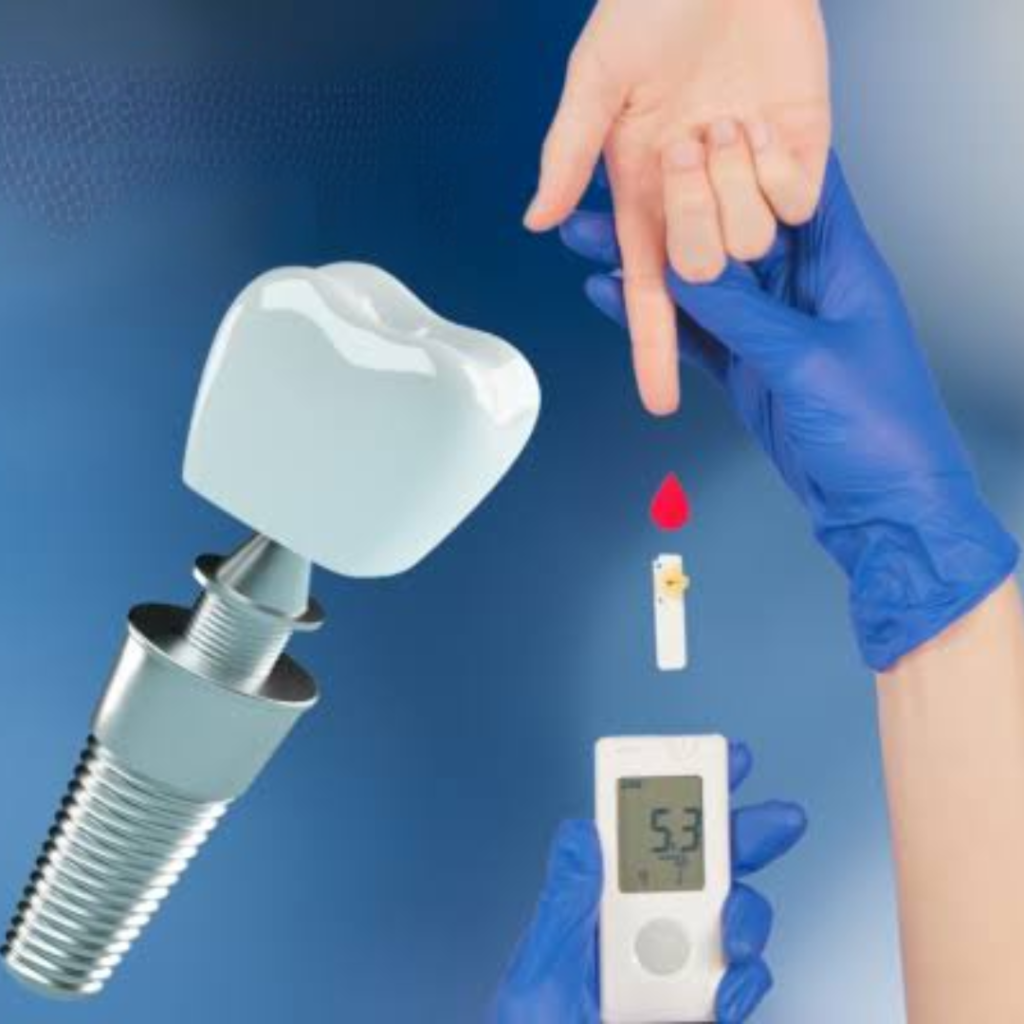
The term “well-controlled” diabetes usually describes the stability of blood glucose and is the blood sugar goal your doctor and you have agreed upon; it’s usually accomplished by testing HbA1c regularly over time. Depending on your health situation there’s no fixed benchmark for the “right” amount of well-managed; you should have your doctor and dentist use shared criteria to determine this, rather than a rule for you.
While diabetes patients who are not well-controlled may be ineligible for permanent implants right now, most of the time it means taking their blood sugar levels to a more stable range first by discussing steps with their health care provider.
What We’ll Check Before Recommending Implants
We take a few extra steps for every diabetic patient when recommending implants to ensure that the plan is safe and realistic:
- A medical history, including what precautions you have taken to manage diabetes and the length of time you have been living with diabetes
- Blood sugar or HbA1c results in recent months, usually with your doctor’s approval
- An evaluation of gum health – which improves the results of dental implant surgery because gum disease is more prevalent in diabetic patients and should be treated in advance of their implants.
- Review of any other conditions or medications that may impact healing
This is not an additional requirement; it’s a way to ensure that the treatment plan will be suitable for YOU and your health and not a given one-size-fits-all plan.
Tips for Diabetic Patients Considering Implants
- To maintain a steady blood sugar on the days leading up to and following surgery (according to your doctor’s instructions)
- Be extra diligent with maintaining oral health – periodontal disease is a risk factor for healing around implants, diabetic patients are even at higher risk of periodontal disease
- Eliminate smoking which is a stand-alone factor and slows healing and will aggravate any additional diabetes slowdown
- Go to all follow-up appointments because your dentist will want to closely monitor healing as a diabetic, versus that of a nondiabetic patient.
- Contact a doctor immediately if you recognize abnormal swelling, pain or delayed healing at the wound.
Success Rates of Dental Implants in Diabetic Patients
The success rates of diabetic patients.
The successful rates of diabetic patients.
If blood sugars are well controlled, clinical literature reveals implant success for diabetic patients that is similar to that of non-diabetic patients. This difference becomes evident particularly at times of poor glycemic control; when healing is complicated, the difference becomes more apparent. That is why your evaluation prior to treatment is so important; it is not a matter of excluding diabetic patients; it is a matter of timing the treatment until you can predict healing.
Frequently Asked Questions
Can diabetes devastate implants?
High blood sugar levels can extend the time required for healing and increase the risk of infection around the implant site and thus raise the risk of complications and/or failure. Therefore, before a surgery, blood sugar’s stability is monitored and, if necessary, regulated.
Are implants a risk for diabetics that require additional screening?
Often, yes. You may need to receive more frequent follow-up exams in the weeks following your surgery in an effort to monitor your healing carefully, especially if your blood sugar has varied in the recent past.
What is the proper blood sugar range to have before surgical procedures?
This is personalized — each person’s physician and dentist will consider each person’s individual trends of the HbA1c level and other health components, not a one-size-fits-all guideline. It’s a decision made by talking to your care team, not by yourself.
Considerations for Dental Implants in Patients with Diabetes
Diabetes is a prevalent and manageable condition that presents no obstacle to permanent tooth replacement. It is essential to communicate your complete medical history to our team so we can thoroughly evaluate your health and customize your treatment plan accordingly.
Likewise, in the event that the surgical procedure for dental implants is painful, the dentist might be unsure about its general security.Also, if the dental implant surgery itself hurts, the dentist may not be confident in its overall safety.