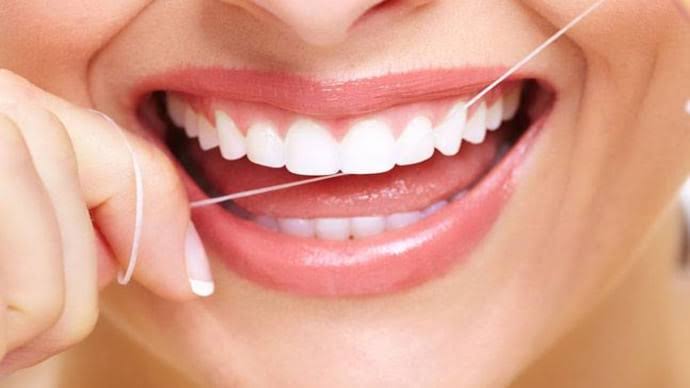
To stay clean on the inside, it is necessary to do more than just brushing. Although brushing helps to eliminate the plaque and food particles off the surfaces of the teeth, it is ineffective in cleaning the narrow interstitial areas between the teeth where bacteria tends to thrive. Dental floss is specifically meant to access such locations and eliminate the plaque before it turns into tartar.
Flossing is a very important thing; however, it is also ignored or done improperly. People do not floss regularly or apply correct methods which can lower the efficiency of floss. The awareness of the typical flossing errors and the knowledge on how to overcome them can greatly enhance the quality of oral care and contribute to the prevention of dental issues like cavities and gum diseases.
Flossing: Why it is Important to Your Oral Health.
Plaque is an adhesive layer of bacteria which always develops on teeth. The build up of plaque between the teeth and between teeth and the gums, may result in gum inflammation and damage of the enamel. Otherwise, the plaque turns into hard tartar, which can be removed only by means of professional dental cleaning.
Flossing is useful in cleaning out those areas that are not reached by toothbrush bristles. Flossing provides benefits of cleaning interdental crevices and preventing cavities between teeth, as well as healthy gums.
Flossing should be a regular oral hygiene habit as advised by dentists at least once a day.
Common Flossing Mistakes and How to Fix Them
- Flossing Too Quickly
The rush is one of the most frequent errors made by people. Rapid motions between teeth can help to cleanse some of the debris, though frequently do not clean the gumline as deeply as the plaque is apt to be deposited.
How to fix it:
Brush the teeth, one at a time. Slide the floss in between the teeth and bend round the side of the tooth cleaning under the gumline. By using slow and controlled movements, it is possible to remove plaque better.
- Cleaning the same part of the floss on all the teeth.
There are those who apply only a piece of floss in the entire mouth. The practice literally transfers bacteria and food particles of one region to another thereby diminishing the efficacy of flossing.
How to fix it:
Apply a separate piece of floss to each tooth. A 18 inch piece of floss is sufficient material to get around and around the fingers and to a new area of the floss as you clean each tooth.
- Stirring the Floss into the Gums.
Violently scraping floss in-between teeth may damage sensitive gum. Such practice can result in gum irritation, bleeding or inflammation.
How to fix it:
Floss the teeth gently using a sawing motion. After getting to the gumline curve the floss around the tooth and move up and down without pushing into the gums.
- Skipping the Back Teeth
The front teeth are well flossed as they are much accessible and visible to most of the people. Nevertheless, the amount of plaque deposits tends to be greater in the teeth at the back of the mouth.
How to fix it:
Make sure that floss covers all teeth such as the molars. The additional time spent flossing the back teeth will ensure the prevention of the cavities and gum disease in the regions that are often overlooked.
- Only When Food Sticks.
There are individuals who brush their teeth only when they believe that there is food stuck between the teeth. Although flossing has the power to remove the visible debris, it is mostly used to remove plaque and bacteria that cannot be seen.
How to fix it:
Flossing should also be a part of your daily oral cleaning habit and not used on infrequent occasions. Regular flossing is one of the ways to avoid the accumulation of plaque and secure the health of the mouth in the long term.
- Failing to Reach Under the Gumline.
Plaques are likely to be formed along the gumline where they may irritate the gums leading to inflammation. This can be left dirty after flossing of the contact between the teeth alone.
How to fix it:
Bend the floss into a C-shape around the tooth and slide it a little bit below the gumline. This method enables the floss to clean the parts of the mouth that could not be accessed by the brushing mechanism.
- Using Too Little Floss
The flossing process proves to be challenging using a short piece of floss because it restricts movement and it is hard to clean the remainder portions with the floss.
How to fix it:
Take about 18 inches of the floss and place majority of it around one finger as it is being wound around the other finger. This arrangement will enable you to roll new floss when required.
- Avoiding Flossing Because of Bleeding
When gums are bleeding it would deter people to floss. Bleeding is however typically a symptom of gums inflammation due to the accumulation of plaque and not a symptom of flossing cessation.
How to fix it:
Floss regularly and carefully. In most circumstances, bleeding will reduce in a few days as the health of the gums will improve. In case of continued bleeding, dental check-up can be required.
Other Flossing alternatives.
As the traditional floss is a challenge to some people, a number of options can be offered to facilitate the process of interdental cleaning:
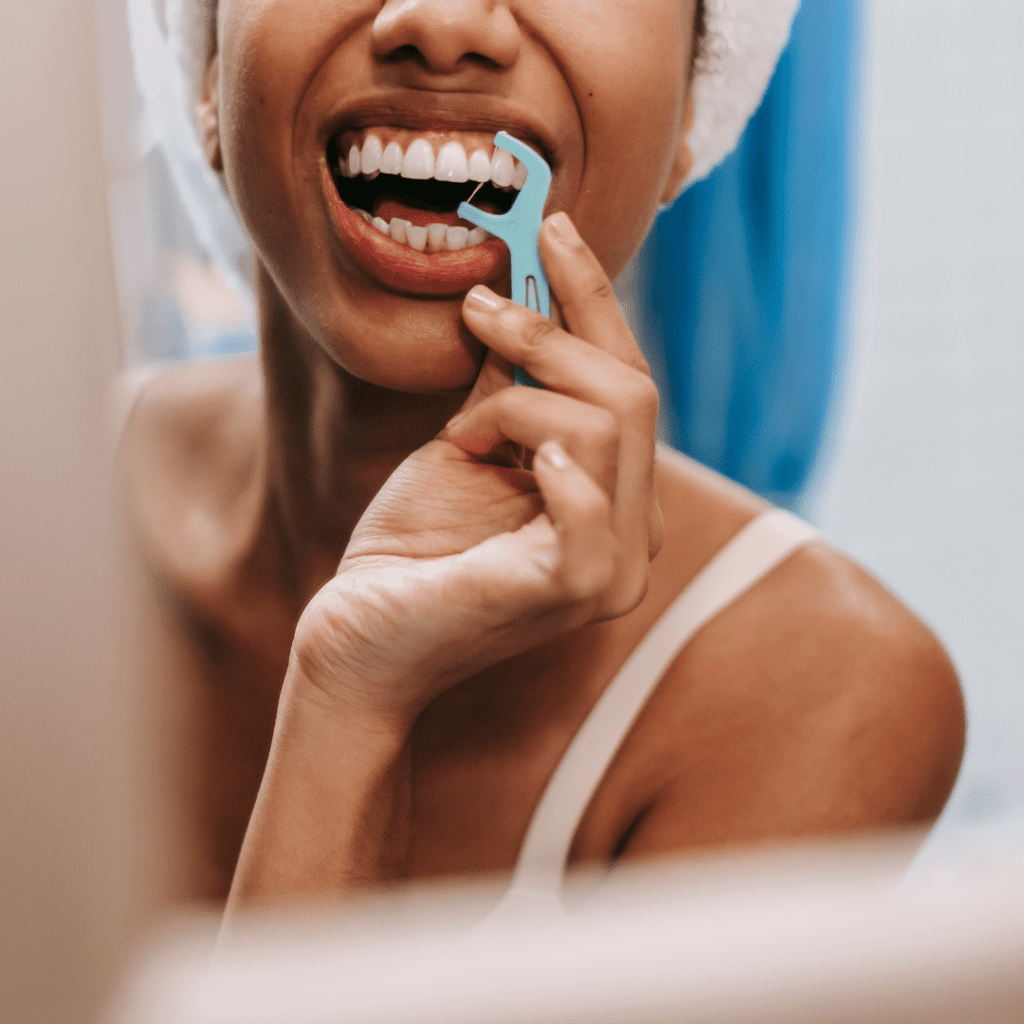
- Floss picks: Floss tools that are pre-threaded and this makes flossing easy especially when one lacks the dexterity to use the tool.
- Water flossers: Appliances that employ a jet of water to hose away debris and plaque amid the teeth and the gumline.
- Interdental brushes: Tooth cleaning brushes come in small sizes, and are useful to those with greater spacing of teeth or orthodontic devices.
Although these options may be helpful, they must still be used as the supplements to the routine brushing and dental clinic visits.
Development of a regular Flossing Routine.
Flossing needs a routine, which can be achieved by setting up an everyday practice, but that is what oral health depends on. Helpful strategies include:
- Flossing shortly, usually at bedtime.
- Having the floss in the close reach with the toothbrush.
- Flossing with the help of more convenient tools.
- Combining flossing with some other daily practice to remind of the importance of the habit.
Gradually, flossing turns into an element of a full-fledged oral health care.
Conclusion
Flossing is a highly significant activity in the maintenance of healthy teeth and gums yet it is usually performed poorly or even not done at all. Taking the steps too quickly, scraping floss against the gums or even not flossing all the teeth are some of the most frequent errors that reduce the efficiency of the flossing process and leave the person susceptible to the effects of dental complications.
Through appropriate flossing habits and the regular use of flossing on a daily basis, one will greatly decrease the amount of plaque and safeguard their mouth. Dental checkups would also assist in pointing out places that could need better oral care routines. At The Dental Venue, we note the relevance of properly flossing the teeth and preventive measures to ensure good health in the gums in the long-term and to ensure that clients have healthy and robust smiles on their faces.