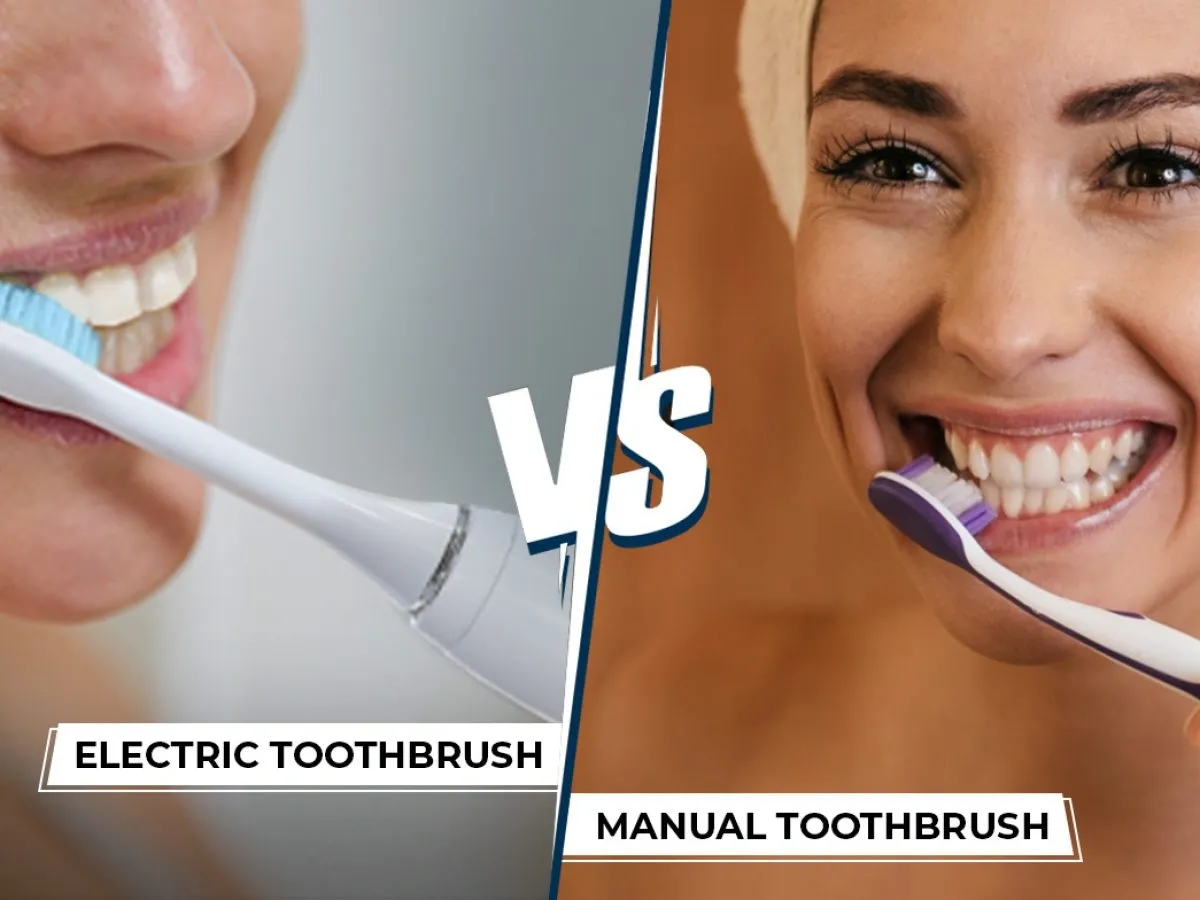
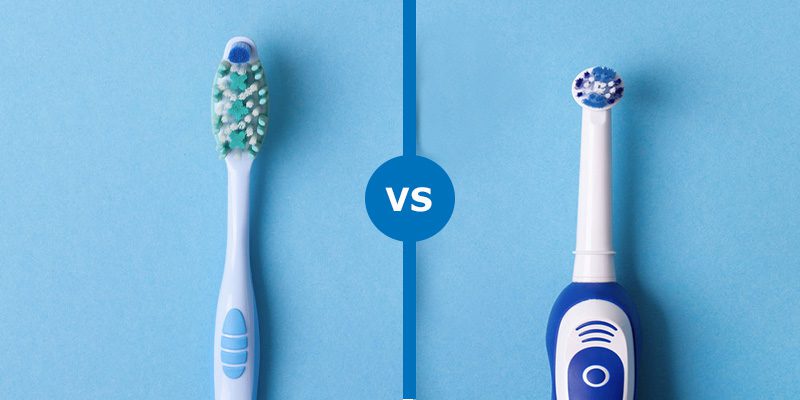
The beginning of proper oral hygiene is the proper brushing of teeth. Cleaning will help in the elimination of the plaque, foodstuffs and bacteria that accumulated on the teeth throughout the day. However, the question that is commonly presented by many people is what between the electric toothbrush and the manual toothbrush is a better way of cleaning and prevent dental problems.
The two types of toothbrushes are both oriented towards the preservation of the oral health and their success might be said to be conditional upon the entirety of such factors as the overall style of brushing, frequency, and the needs of the teeth. The awareness of the variation between the electric and the manual versions of the toothbrush can help people make a prudent decision as to which one can be more useful when it comes to oral hygiene.
Oral Health: the importance of brushing.
One of the most common prevention methods of common dental conditions such as cavities, gum disease, and bad breath is brushing. Plaque is a buildup of a sticky band of bacteria on the teeth and the gums, and it is where the acids able to destroy the enamel and irritate the gum tissues are found.
Brushing of teeth frequently will remove the plaque before it becomes tartar. Tartar cannot be brushed off alone thus it requires an effective daily oral care to decrease the formation.
Regardless of the type of toothbrush an individual is using, the dentists normally recommend that a person should brush his teeth at least twice a day with a minimum of two minutes time.
Learning about Manual Toothbrushes.
The most common and traditional oral hygienic tools are the manual toothbrushes. They have a handle full of bristles that have to be moved by hands to clean teeth.
Advantages of Manual Toothbrushes:
- Affordability and accessibility: The manual toothbrushes are quite common and are usually cheap, and hence accessible to all age groups.
- Simplicity of use : Their batteries are not needed, and they do not need to be charged as they can be used everywhere without any further features.
- Variety of options: Manual toothbrushes are available in various types of bristles, size of the head and design of a handle to meet personal preferences.
- Greater control: Other people use manual brushes since they believe they can have more control on the force and movement of the brush.
Shortcomings of Manual Toothbrushes.
Even with their effectiveness, the teethbrushes that are operated manually depend on technique extensively. In case of the rush or improper execution of brushing, the remnants of the plaque can be rather insufficient. Also, a large number of individuals brush within less than the recommended two minutes.
Electric Toothbrushes : Electric toothbrushes involves power movements to clean teeth. The brush head is usually rotated, oscillated or vibrated in order to clean the teeth better than manual cleaning.These brushes run on rechargeable batteries and can be supplemented with other functions like timers, pressure sensors and a variety of cleaning modes.
Benefits of Electric Toothbrushes.
- Finer strokes of brushing : The electric toothbrushes have thousands of brush strokes every minute and this enables cleaning of plaque more than manual brushing.
- Built-in timers: Most electric toothbrushes have the built-in timers that will guarantee that the user brushes the suggested time to enhance their overall oral care practice.
- Pressure sensors: Other models warn users when too much pressure is applied, preventing irritation of the gums or damage of enamels.
- Ease of use: Toothbrushes with reduced manual movement, electric toothbrushes are specific to the children, older adults, or those with limited hand movement.
- Improved plaque removal: Research revealed that some designs of electric toothbrushes especially those of the oscillating-rotating type can be more effective in removing plaque compared to manual brush when properly used.
Disadvantages of Electric Toothbrushes.
Electric toothbrushes tend to be quite costly as compared to the manual ones. They will also need charging and replacement brush heads, which could contribute to the maintenance expenses in the long term.
Furthermore, they could be inconvenient to carry as their size and the requirement to be charged could become a problem when travelling.
Which cleans better Toothbrush?
Comparing electric and manual toothbrushes, both of them can be effectively used to clean teeth in case of proper utilization. Nevertheless, a study indicates that electric toothbrushes might have a minor benefit in plaque elimination and health of the gums as they are moved automatically and have some internal functions.
The increased efficiency of electric toothbrushes may also be of use especially to the people who have difficulty in brushing their teeth effectively or keeping their brushing time consistent.
Nonetheless, even with a manual toothbrush, proper technique, and the right amount of time spent brushing one’s teeth, one may achieve high oral health outcomes.
In the end, both toothbrushes will be as effective as they are well-used and regularly.
Considerations to Make in the selection of a toothbrush.
The choice of an appropriate toothbrush is dependent on the personal preference, state of the teeth, and the lifestyle. Considerations of importance are:
Oral health needs:
- Electric toothbrushes can be helpful to people with gum disease, orthodontic devices, or lack of ability to brush their teeth.
- Comfort and usability:
- Others enjoy the comfort and ease of using manual brushes, whereas others like the ease of using electric ones.
Budget:
- Toothbrushes that are powered by a battery are cheaper than electric powered ones since it comes at a higher cost and requires replacement of the brush heads at periodic intervals.
Lifestyle and travel habits:
- Manual toothbrushes can be the choice of frequent flyers because of their convenience, although there are also compact electric toothbrushes.
Toothbrushing Advice.
No matter the type of toothbrush one uses, one has to brush his teeth well to ensure maximum oral health.
The following are practices that are usually recommended by dentists;
- Clean teeth at least twice in a day for at least two minutes.
- One must apply a soft-bristled toothbrush so that the gums do not get damaged.
- Make the brush angle 45 degrees against the gumline.
- Aggressive scrubbing should be avoided, circular movements or vibrating ones should be used gently.
- The toothbrushes or brush heads can be changed within every three to four months.
- Include flossing and periodic check up with the dentist with brushing.
With these instructions, it is achievable to eliminate plaque on the teeth surfaces and gumlines.
Conclusion
Manual and electric toothbrushes will have the chance to keep the oral cavity in good conditions assuming that they are used properly and on a regular basis. Even though manual toothbrushes remain a strong and cost effective option, the electric toothbrushes may be in a better position to brush off the plaque, brushing is more consistent and other strings that may lead to a healthier brushing regimen.
Personal preferences, oral health needs and comfort are the final things that determine the choice of a toothbrush. Professional dental care, as well as brushing are also routines which are essential in maintaining healthy teeth and gums. In The Dental Venue, we suggest the most suitable dental hygiene tools and the significance of proper brushing to preserve the health of the teeth within a long-term perspective and avoid the occurrence of most of the oral diseases.