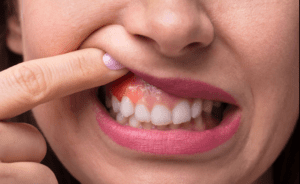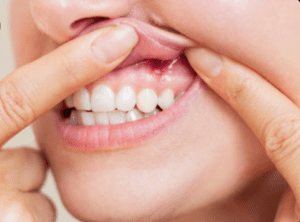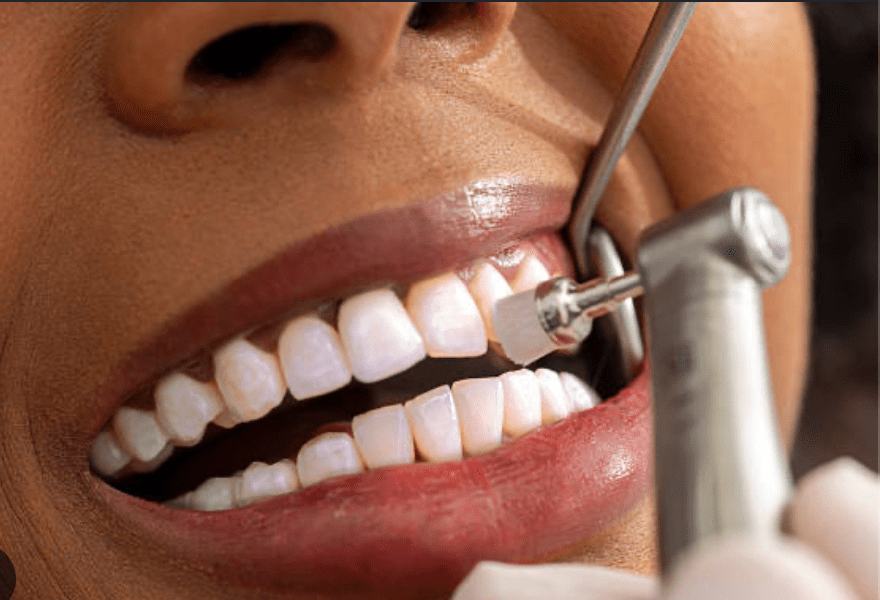
Professional oral cleaning is one of the most significant preventive oral care factors. Despite being able to keep the mouth clean through regular brushing and flossing, this is not fully able to remove the deposits of plaque and tartar as accumulated with time. This is a regular dental cleaning procedure performed by a trained professional that is applied to maintain teeth and gums in good condition and dental diseases are prevented as well as overall oral health is improved.
Among the questions, which most people are inclined to ask would be how often are professional dental cleaning supposed to be done. Although the average measure is to visit a dentist after every six months, it can vary depending on the status of the oral health of a specific individual, his or her lifestyle, as well as the factors that can predispose him or her to dental disorders.
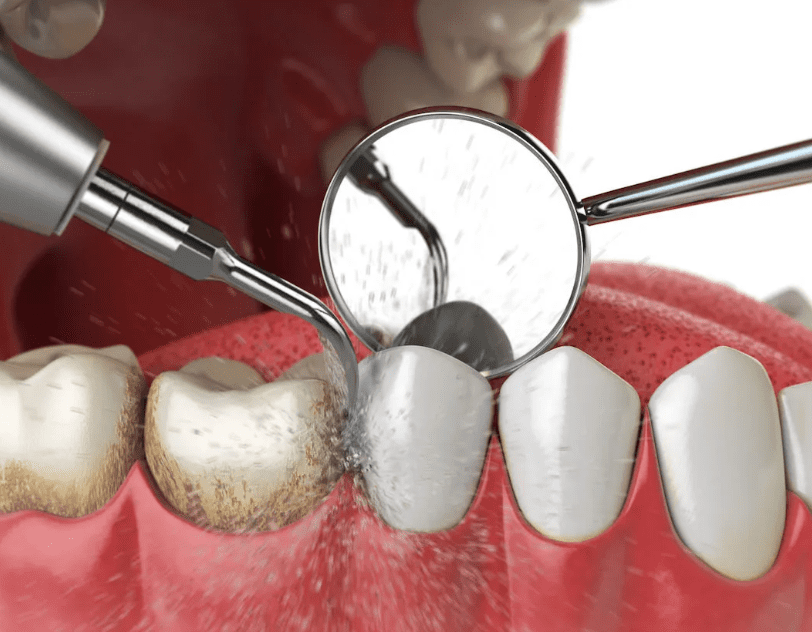
The level of understanding of the importance of professional cleaning and the rate at which it should be done can help the people ensure that their mouths remain in the best conditions.
What Is Dental Cleaning?
Professional dental cleaning also known as dental prophylaxis is a prophylactic treatment and is utilized to maintain the teeth by removing plaque, tartar and surface stains on the teeth when done by a dentist or dental hygienist. However, it is very easy to clean the teeth and the mouth overall, after brushing and flossing, there are sections of the mouth that one cannot clean fully at home; some of the sections include; gaps between the teeth, along the gum line where the teeth are allocated.
Dental tools are used to do the work of professional cleaning to remover the hardened plaque or tartar or calculus that cannot be removed by the normal brushing. This is accompanied by polishing of teeth in order to level the surface of the enamel and reduce the risks of formation of the plaque.
The process can improve oral health, not to mention that it will also allow dentists to identify an early stage of any dental illness, such as cavity or gum disease or enamel erosion.
The Reason behind Routine Dental Cleaning.
Regular dental checkups are very important in averting most of the oral health issues. It has some of the main advantages:
- Elimination of plaque and tartar deposition: Bacteria are present in the plaque which have the potential to destroy tooth enamel and cause irritation of gum tissue because they produce acids. In case plaque becomes hardened in the form of tartar, it becomes harder to get rid of unless treated by a professional.
- Prevention of gum disease: Regular cleaning would aid in removing bacteria that were deposited in the gumline, minimizing the chance of developing gingivitis and more complex periodontal disease.
- Early Prevention of dental issues: Dental checkups give the dentists a chance to diagnose a problem like cavity cavities, inflamed gums or oral lesions before they worsen.
- Better oral health and fresh breath: Removal of bacteria and plaque will prevent the causes of bad breath persistence and generally increase oral cleanliness.
- Stain removal: Professional polishing removes the stains found on the surface as a result of food, drinks, and tobacco consumption.
The General Proposal: Two Times a Year.
In the majority of people whose oral health is good, dentists would give professional cleanings at least once in six months. This is a timetable through which dental professionals can eliminate the formation of plaque prior to the formation of strong tartar formations and be able to track the well-being of the gums and teeth.
The period of six months is typical in keeping the mouth healthy in those who observe regular oral care and lack major risks of dental problems.
This recommendation is, however, not entirely universal. There are those people who might need to visit a dentist more often based on the status of their oral health.
Case where Cleanings may need to be increased.
There are people who can receive dental cleanings twice every three to four months rather than twice a year. Further visits can be prescribed when the following circumstances occur:
Periodontal Problems or Gum Disease.
Those who have the history of gingivitis or periodontal disease usually need to be cleaned in a more frequent way to manage the accumulation of bacteria and avoid the progression of the disease to the gums and background bone.
Periodontal therapy cleaning is a specialized form of cleaning that is used to both treat and prevent infection and inflammation.
Heavy Tartar or Plaque Build up.
Naturally, there are individuals who are predisposed to the rapid formation of plaque and tartar in their oral cavity, this is based on the factors that include the saliva composition, oral bacteria, or eating habits. In this instance, professional cleaning should be done more regularly in order to preserve oral hygiene.
Smoking or Tobacco Use
Tobacco products also expose one to the risk of gum disease, tooth discoloration, and plaque build-up. To reduce such effects and ensure the safety of gums smokers might need to have more frequent cleanings.
Health Conditions that impact on oral health.
There are also systemic diseases that predispose people to gum infections and inflammation like diabetes. Such patients could be advised to see the dentist more often in order to take care of their mouth.
Orthodontic Appliances
Orthodontic appliances and braces provide new places which allow an accumulation of plaque. The need to use professional cleanings can be increased during orthodontic treatment to avoid the destruction of enamel and inflammation of the gums.
The Process of a Professional Dental Cleaning.
A normal dental cleaning session is associated with various significant steps which are aimed at the enhancement of oral health and the identification of possible issues.
- Oral examination: The initial examination that is carried out by the dentist or hygienist is done to examine the teeth and gums to determine whether or not the patient has cavities, gum inflammation, or any other related issues.
- Scaling: Special tools are employed to clean the teeth and tartar and down the gumline.
- Polishing: Once scaled, the teeth are polished with a weakly abrasive paste to flatten the enamel as well as to eliminate any surface stains.
- Flossing and rinsing: Flossing by professionals assists in the cleaning between teeth after which the mouth is rinsed to clear up.
- Fluoride medication (as prescribed): Considering certain instances, enamel hardening and cavities prevention with the help of fluoride treatment can be performed.
Caring of Oral Health between Dental Checkups.
Although the cleaning by professionals is necessary, the daily oral care is equally important to keep the teeth and gums healthy. Between dental visits, the people are to adhere to the following habits:
- Wash teeth with fluoride toothpaste twice a day.
- Brush your teeth at least once in a day to eliminate the plaque.
- Reduce the consumption of sugary food and drinks that encourage bacteria.
- Take enough water to aid in the production of saliva.
- It should be avoided by tobacco products which elevate the risk of gum disease.
- Changes of toothbrushes frequently to keep them effective in cleaning.
Regular domestic care increases the advantages of dental cleaning in the clinic and eliminates quickened accumulation of plaque.
Conclusion
Dental cleaning is a very important aspect of preventive oral care of a professional nature. Though, cleanings once in six months are beneficial to many people, the period can still be different and can be influenced by the health of the gums, the amount of the plaque, the way the person lives, and the medical conditions.
Regular dental visits allow for early detection of potential problems and help maintain healthy teeth and gums over the long term. By combining professional care with consistent daily oral hygiene, individuals can significantly reduce their risk of dental diseases. At The Dental Venue , we emphasize preventive dentistry and personalized care, helping patients maintain optimal oral health through routine cleanings and comprehensive dental evaluations.