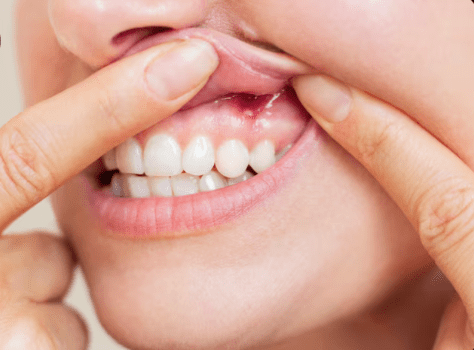
It is disturbing to see blood in the sink during the process of brushing. Most individuals believe that it is because they brushed too hard and that is sometimes the case although in most cases gums bleed is a good early notice your body gives you that something is amiss with the gums either the gums are inflamed or are irritated. The positive aspect of it all is that the problem of bleeding gums can be reversed and treated in most occasions when caught at an early age. The trick is to know why it is occurring and what measures will actually enhance your health of the gum rather than cover the issue.
In The Dental Venue, the usual case that we experience is patients neglecting gum bleeding after weeks or months due to insignificance. But that doesn’t mean that your gums should bleed when brushing or flossing them. You should take even the smallest bleeding seriously since it can be a sign of the beginning of gum disease, vitamin deficiencies, hormonal fluctuations, or other health problems that need to be looked into.
Is Bleeding While Brushing Normal?
A healthy gum is solid, light pink to coral in color depending on the natural pigmentation, and it blushes no bleeding when brushed or flossed. Bleeding is a common sign that the gum tissue is inflamed, delicate or is being hurt.
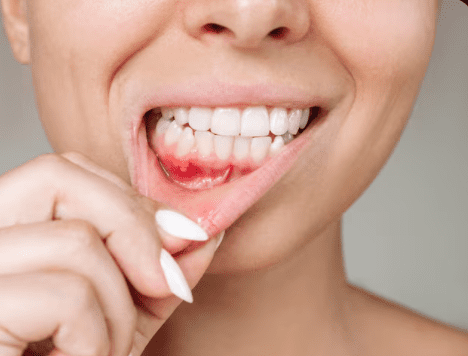
A small amount of bleeding may occur if:
- You recently started flossing after a long gap
- You changed your toothbrush to a harder one
- You are brushing aggressively
- You have plaque buildup near the gumline
But if the bleeding continues beyond a few days, becomes frequent, or happens even with gentle brushing, it should not be considered normal.
Common Causes of Bleeding Gums While Brushing
1) Plaque Buildup and Gingivitis (Most Common Cause)
The most common cause of bleeding gums is gingivitis, which is the initial stage of gum disease. It is the result of plaque (a sticky bacterial film) accumulation on the edge of the gums. The bacteria produce harmful substances which cause the gums to become inflamed, resulting in redness, swelling, and bleeding.
Significant symptoms are:
- Bleeding after brushing or flossing
- Swollen, sore gums
- Persistent bad breath
- Gums that are visibly red
Point to remember: if caught early, gingivitis can be easily reversed with good oral hygiene and dental cleaning.
2) Brushing Too Hard or Using the Wrong Brush
A lot of people think that the harder they brush the better they clean. Nevertheless, overbrushing your teeth may cause you to lose not only your gum tissue but also your enamel. Using a toothbrush with hard bristles or applying too much pressure can cause your gums to become sore, recede, and bleed.
Here are some signs you might be brushing too hard:
- Your toothbrush bristles get worn out very fast
- You experience tooth sensitivity near the gumline
- Your gums seem scraped or are hurting after you brush them
Using a soft-bristled toothbrush combined with the right technique will be more efficient and less harmful.
3) Incorrect Flossing Technique (or Not Flossing at All)
When you stop flossing some time, the plaque would form in between your teeth and after some time it would cause gum irritation. In the event that you resume flossing, the gums (still reddened) may bleed initially. It does not have to be an addition that flossing is killing you, but that the gums are recovering after being inflamed.
If you floss too vigorously, you can also hurt yourself and bleed. The right way is to be gentle, controlled, and consistent.
4) Tartar (Calculus) Deposits
Tartar forms when plaque is not removed thoroughly and it gets hardened. Brushing cannot remove tartar. Tartar is placed along the gumline and it works like a rough surface that attracts more bacteria. This results in chronic inflammation and bleeding.
If tartar is the reason, the only treatment is professional scaling (cleaning) by a dentist.
5) Vitamin Deficiencies (Especially Vitamin C and Vitamin K)
Gums may also sometimes be bleeding:
- Deficiency in vitamin C causes changes in the amount of collagen synthesis and thus, the gums are weak and prone to bleeding.
- In the absence of vitamin K, the mechanism of blood clotting is also hampered and bleeding is excessive.
This is not the alarming reason in the modern world, but may exist in individuals with a disordered diet, digestive issues or simply because they have limited food intake due to some reason. Proper diet is not just beneficial to the healing of the gums as most individuals believe.
6) Hormonal Changes (Pregnancy, Puberty, Menstruation)
Hormonal changes may cause increased gum sensitivity and blood flow, thus the gums become more reactive to plaque.his is commonly seen in:
- Pregnancy (pregnancy gingivitis)
- Puberty
- Menstrual cycle changes
In these cases, bleeding may increase even with normal brushing. Regular cleanings and careful home care become even more important.
7) Smoking and Tobacco Use
In fact, smoking can lead to less blood going to the gums and also can decrease the body’s defense mechanisms. It is quite interesting that smokers might show less bleeding at the beginning due to less blood flow, however, the gum disease can develop quietly and very aggressively.
Tobacco use is strongly linked to:
- Persistent gum infection
- Bone loss around teeth
- Delayed healing after dental treatment
- Higher risk of tooth loss
8) Medications That Increase Bleeding
Certain medications can make gums bleed more easily, including:
- Blood thinners (anticoagulants)
- Some anti-seizure medications
- Certain blood pressure drugs
- Aspirin or long-term NSAID use
If you notice new gum bleeding after starting a medication, do not stop it on your own, consult your physician and dentist for safe guidance.
9) Diabetes and Other Systemic Conditions
It is very much intertwined with the health of your gums with the health of your whole body. To illustrate, diabetics are more prone to gum disease as their healing process is slow and they are more vulnerable to bacterial inflammation.
Moreover, gum bleeding that is severe and persistent may be a sign of the following:
- Diabetes
- Immune disorders
- Chronic stress (affects immunity)
- Blood disorders (rare but possible)
Occasional gum bleeding after meals or brushing may be nothing to worry about. However, if it’s frequent and intense, there may be a need to look further than just your oral hygiene.
Practical Fixes You Can Start Today
Step 1: Brushing Technique (Not Brushing Force) Improvement.
Brush at a 45 degree angle towards the gumline with a soft-bristled toothbrush and brush gently. Minimum time, thrice a day, 2 minutes. When you are using an electric brush, leave it to work, do not scrub.
Pro tip: In case your gums are bleeding, you should not quit brushing. Keep it low, as by quitting, you give the plaque time to make the inflammation more severe.
Step 2: Floss Daily (Correctly)
Floss 1x a day, preferably at night. Move the floss between the teeth on a very gentle manner and form a C shape around the tooth and brush it below the gumline but it must not cut the gum.
Light bleeding may occur during the initial several days of reinstating flossing; this may decrease with the disappearance of inflammation.
Step 3: Take an Antibacterial Mouthwash (Short-Term)
An antibacterial mouthwash prescribed by a dentist may help lower the amount of bacteria and aid recovery, in case of inflamed gums. Strong mouthwashes should not be used without a consultant since some may be dry or irritating.
Gum tissue can also be calmed down and swelling can be reduced by warm saltwater rinses (particularly after meals).
Step 4: Have a Professional Cleaning in case of Persisting Bleeding.
When the bleeding persists even with improved home treatment, the plaque and tartar can be stuck below the gum line. Professional scaling is used to remove those deposits which cannot be reached with the help of a toothbrush. This tends to have a dramatic impact on the health of the gums in 12-14 weeks.
Step 5: Now the healing process of gums with the help of diet and hydration.
The tissue that covers the gums becomes healed in the most optimal state when the body is well nourished. Focus on:
- Foods providing Vitamin C (citrus fruits, guava, amla, bell peppers).
- Protein (aids in the healing of tissues)
- Adequate water intake
- Restricting sweet foods that nourish bacteria.
This will not replace cleaning, but will lead to a big improvement in the recovery.
When Bleeding Gums Become a Serious Concern
Bleeding gums are not always harmless. If gum disease progresses beyond gingivitis, it can become periodontitis, where infection affects deeper tissues and bone supporting the teeth.
Warning signs you should not ignore:
- Bleeding that continues beyond 7–10 days
- Swollen gums that feel painful or look shiny
- Persistent bad breath or bad taste
- Gums pulling away from teeth (recession)
- Loose teeth or shifting bite
- Pus discharge near the gumline
- Pain while chewing
- Increased tooth sensitivity near gums
These signs require dental evaluation because untreated periodontitis can lead to permanent bone loss and tooth loss.
When to See a Dentist Immediately
Book an appointment soon if:
- Bleeding is frequent and heavy
- You notice swelling, pus, or severe gum tenderness
- Your gums bleed even without brushing
- You have diabetes and gum bleeding has increased
- You recently started blood-thinning medications and bleeding worsened
- You have loose teeth or deep gum pockets
Early treatment is simpler, less expensive, and far more predictable than managing advanced gum disease.
Conclusion
The bleeding gums during the process of brushing are not to be waited or simply masked with the help of the mouthwash. They commonly represent a primary manifestation of inflammation as a result of plaque, tartar, bad technique, changes in hormones, or overall health problems. Through regular brushing, proper flossing, and early professional cleaning, majority of the bleeding in gums can be managed before it develops to be a severe factor. When the bleeding is persistent and frequent or is also accompanied by swelling, bad breath and gum recession, it is no use in delaying a visit to the dentist. To be properly diagnosed, clean, and advised on the proper care of your gum in the long term, visit The Dental Venue and have your gum health back on the right track in a safe and professional manner.